
Last updated September 22, 2026
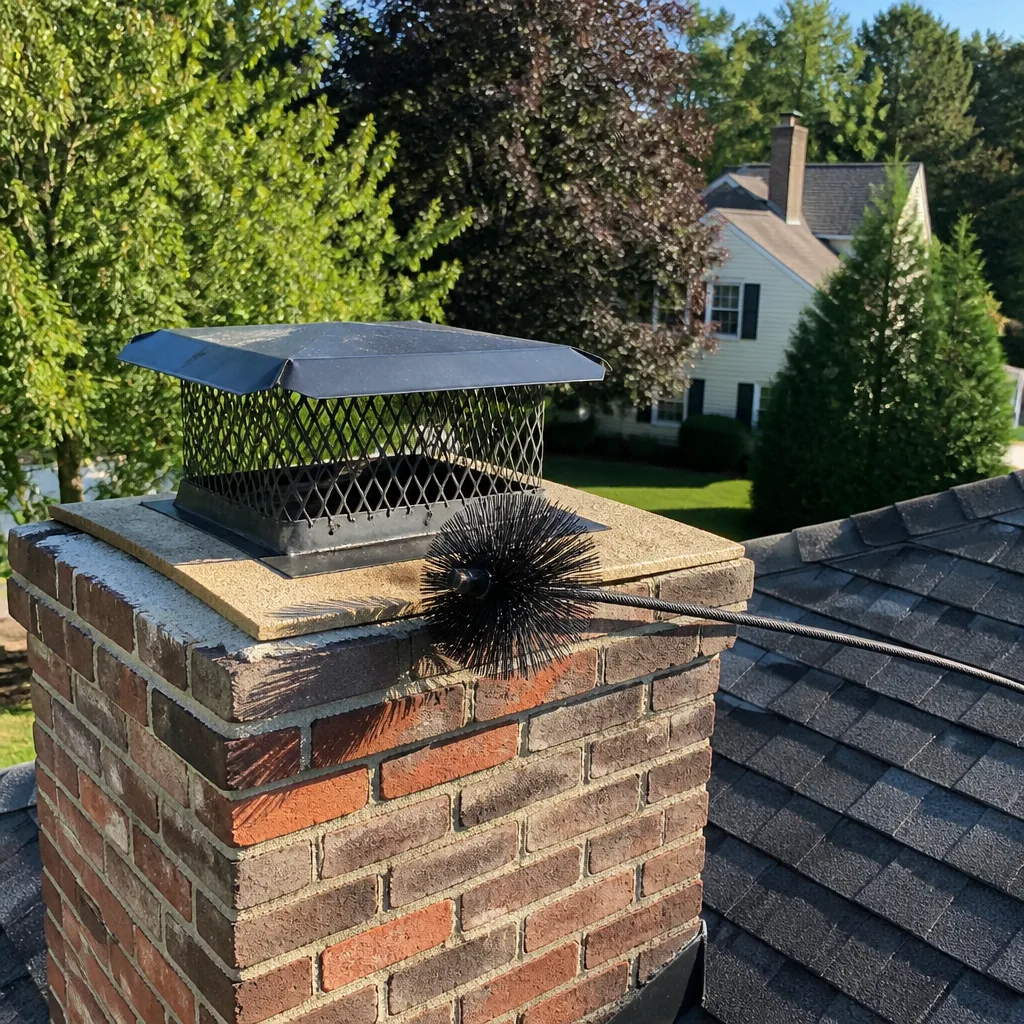
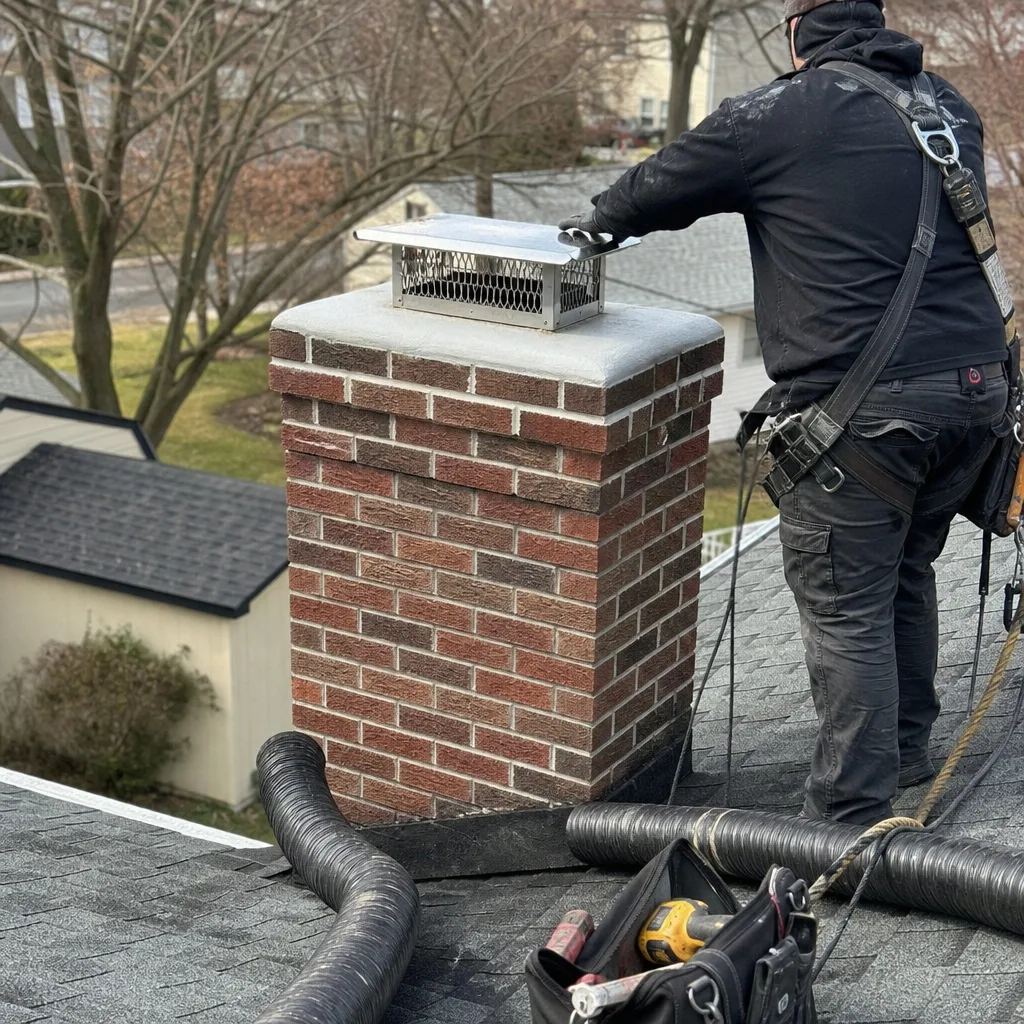
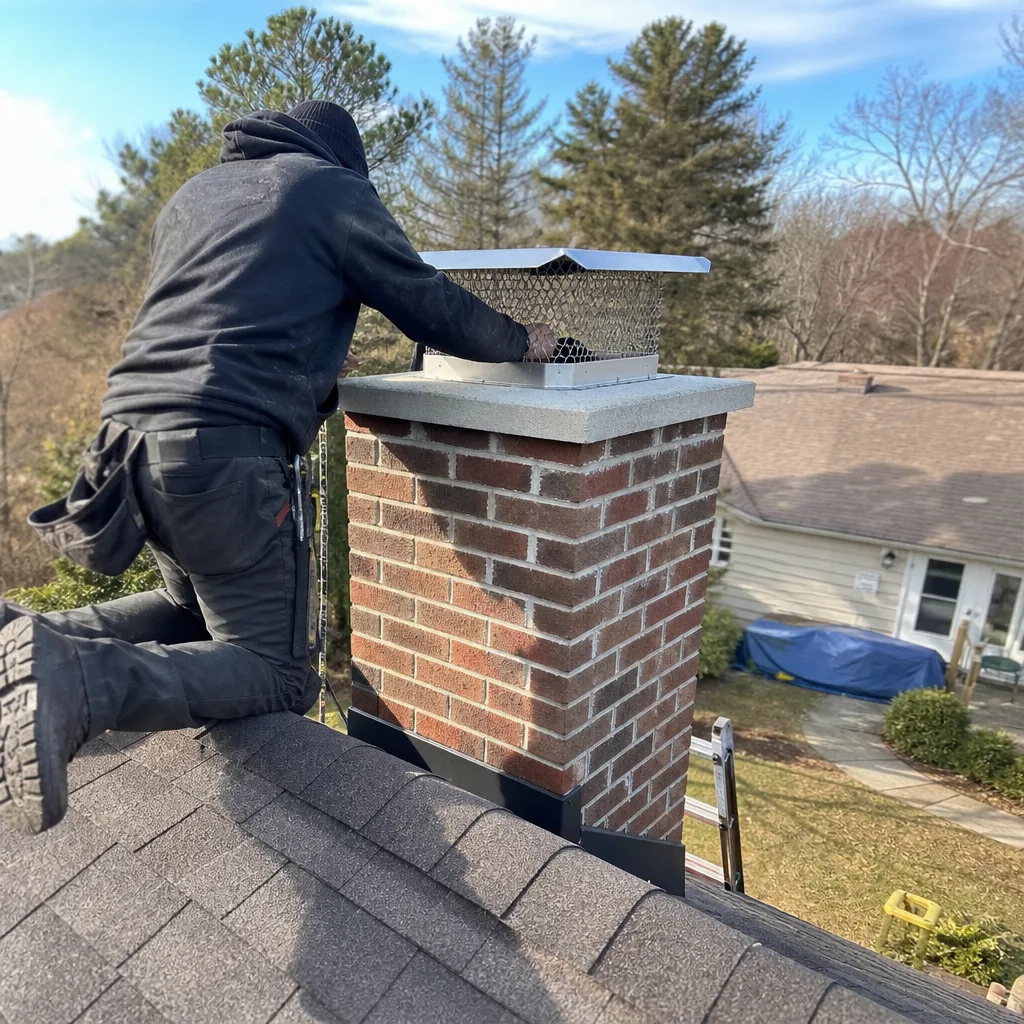
Level 1 sweep and inspection to the NFPA 211 annual standard - flue, crown, cap, and flashing checked and photographed
Chimney sweep logs do not sweep chimneys. They loosen some creosote - which then falls where a brush and vacuum still have to collect it.
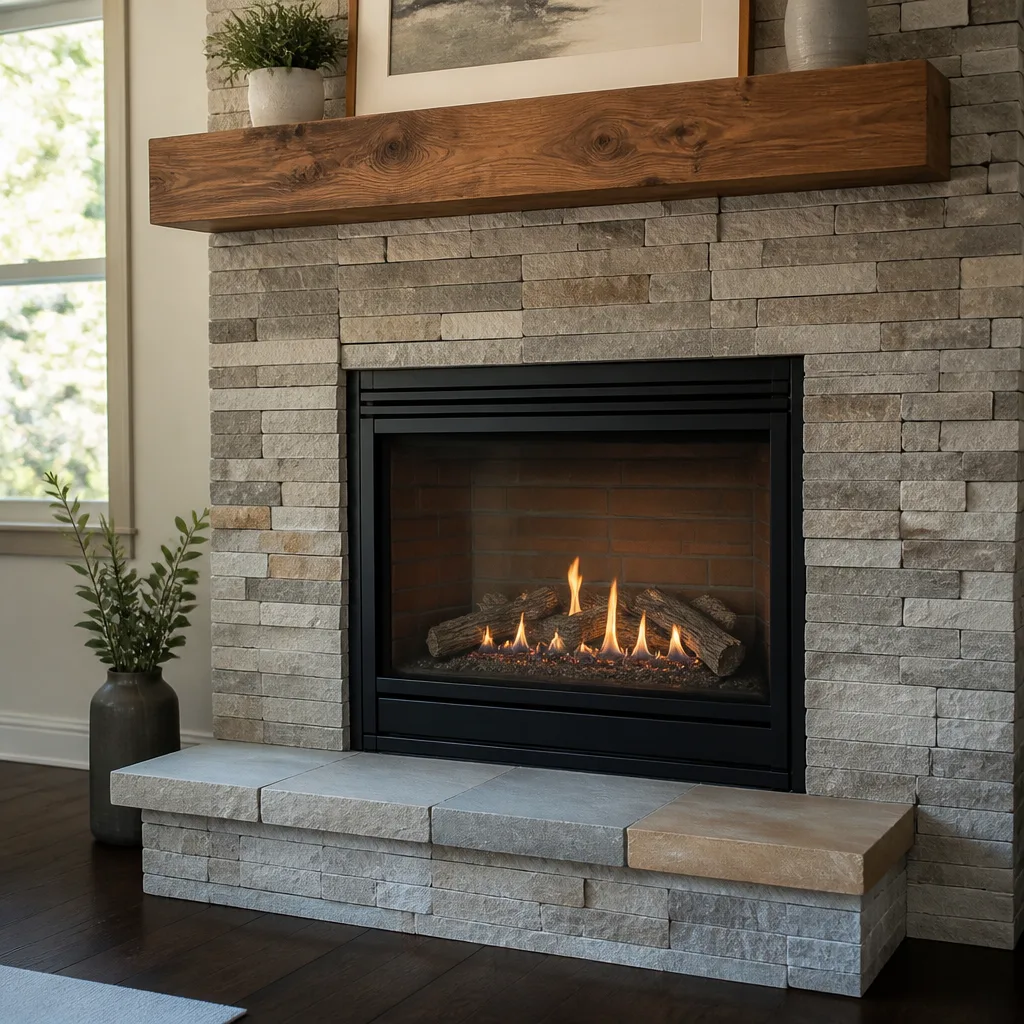
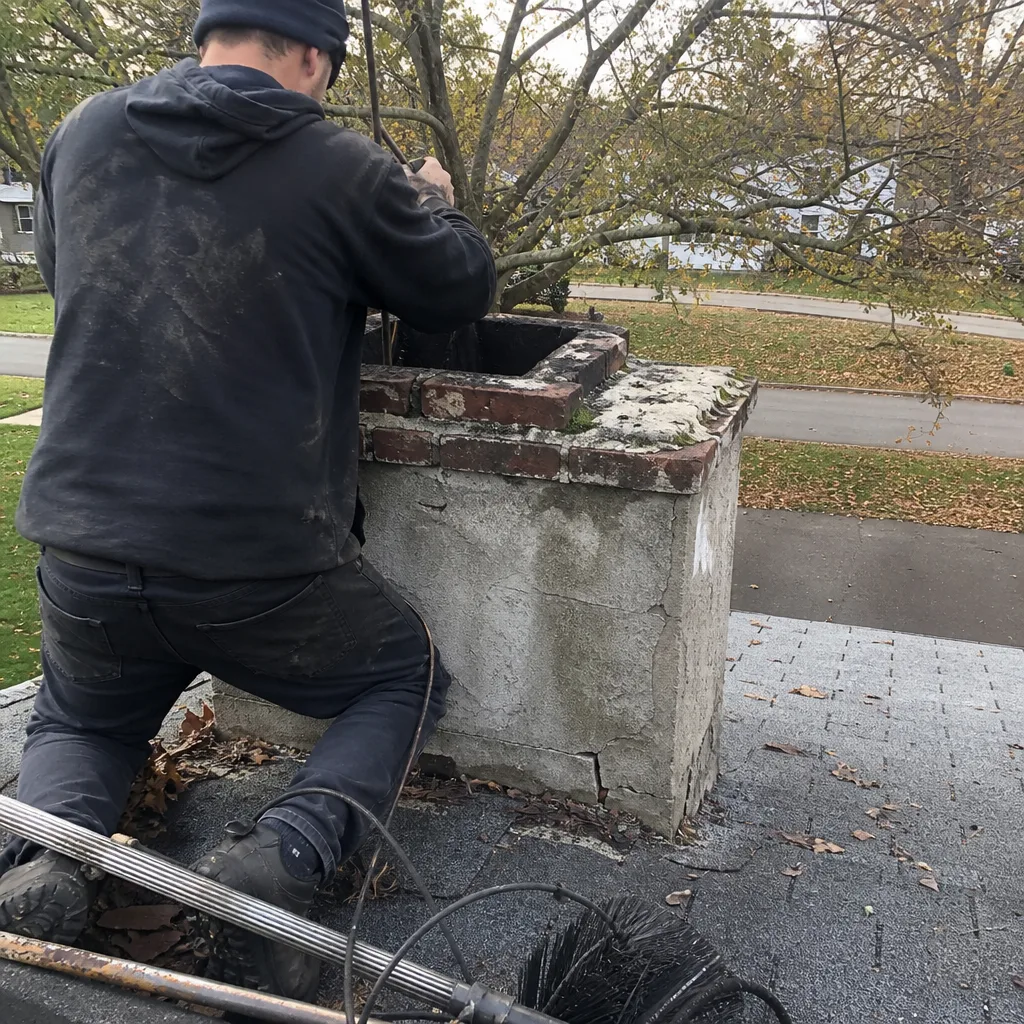 Before
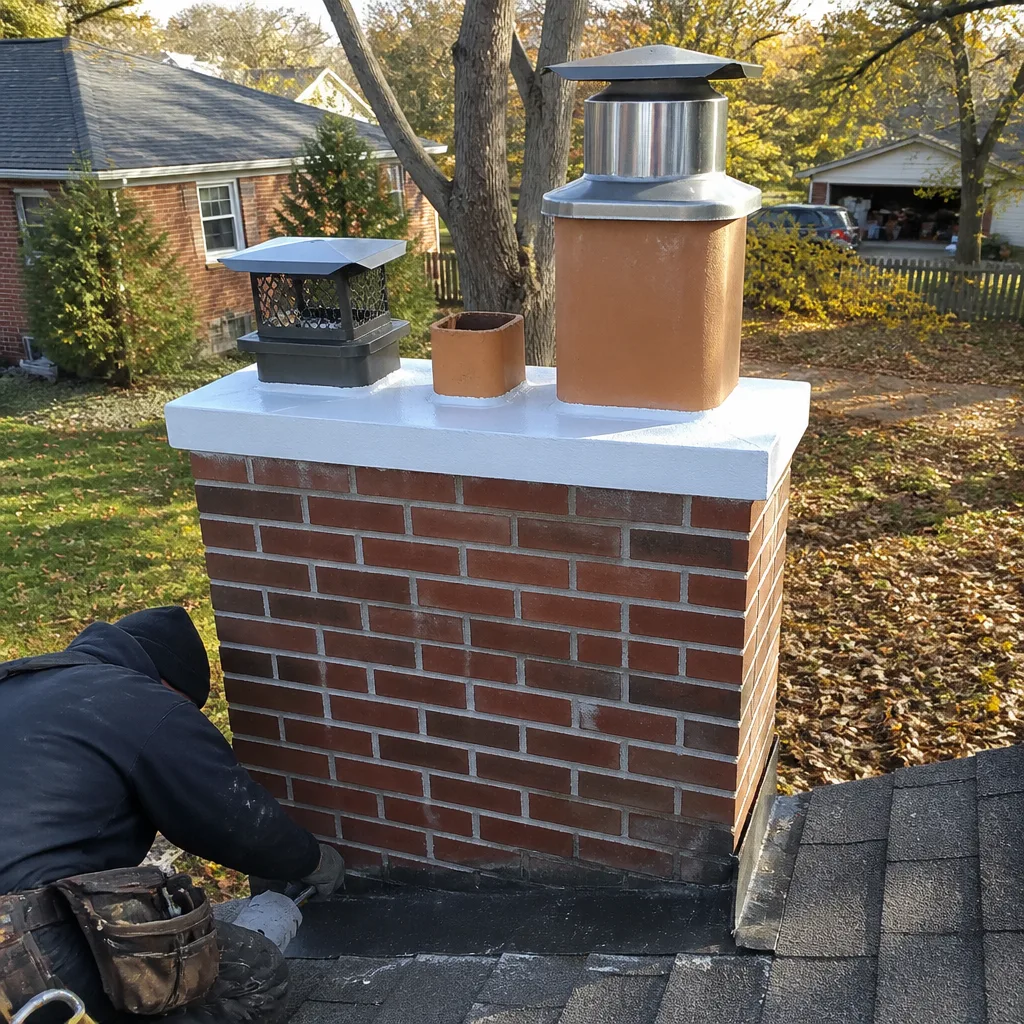 After
After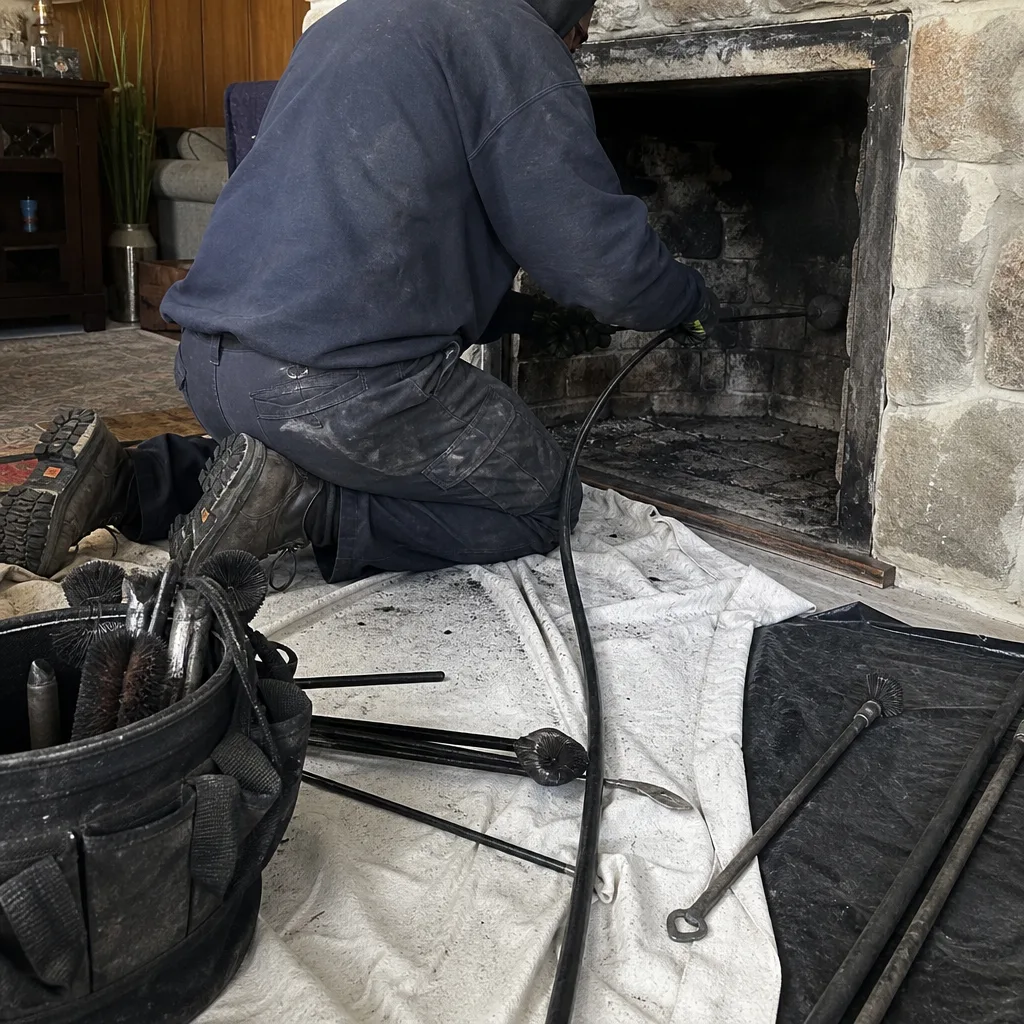 Before
 After
After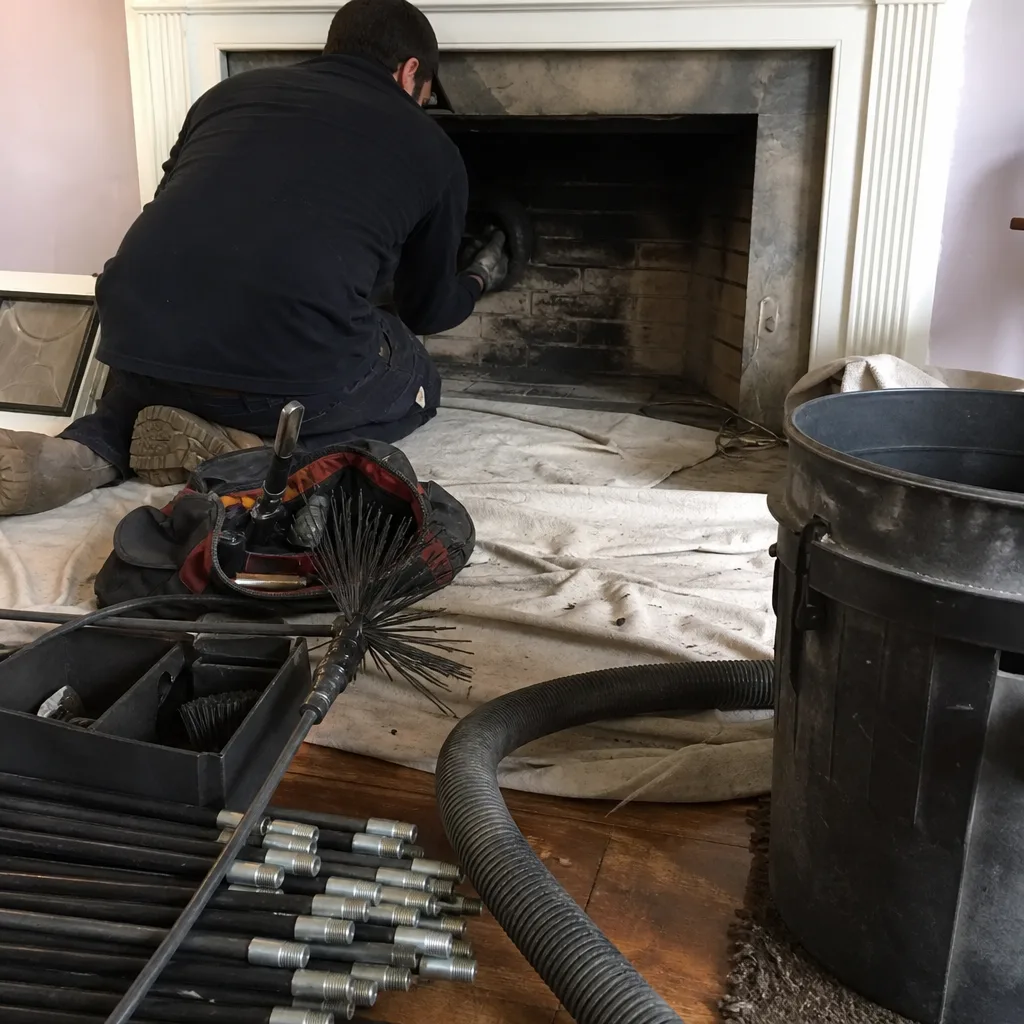 Before
 After
AfterChimney Cleaning & Sweep Maintenance Checklist for Wilmington Homeowners
There are eight things you can check on your chimney from ground level with your phone camera. None of them tell you whether the liner is cracked. Knowing which is which is the entire skill set a homeowner needs. In Wilmington, where freeze-thaw cycles from late October through March chew through mortar joints faster than in milder climates, this distinction matters more than most homeowners realize. Most chimney maintenance checklists organize by task, sweep the flue, inspect the crown, check the damper. That sounds thorough, but it hides a critical gap. Some items you can see, photograph, and document yourself. Others require a camera inside the flue and training to interpret what it shows. This guide separates those two categories explicitly, so you know exactly where your self-inspection ends and our Chimney Cleaning & Sweep services begin.
Quick Answer
Wilmington homeowners should perform ground-level and firebox checks twice yearly, in September before burning season and in April after shutdown, while scheduling a professional NFPA 211 Level 2 inspection with camera scan annually. A proper maintenance record includes dated photos of visible components, the camera report reference number, creosote stage documented, and any deferred repair quotes in writing. This documentation directly affects insurance claim outcomes if a chimney fire occurs.
Table of Contents
- What You Can Check from Ground Level
- Firebox Interior Checks Before the First Fire
- Roofline Items: When to Climb and When to Call
- Wilmington Seasonal Timing: The Labor Day Window
- What a Professional Inspection Actually Covers
- Building Your Documentation Log
- How Maintenance Records Affect Insurance Claims
- A Year-by-Year Maintenance Schedule
BeforeAfterWhat You Can Check from Ground Level
Start with what you can see and photograph without leaving your driveway. These eight items form the foundation of homeowner-level chimney monitoring in Wilmington. The coastal humidity here accelerates metal component corrosion compared to inland Pennsylvania, so what looks like surface rust in Chester County may be structural pitting here.
The Eight Ground-Level Checks
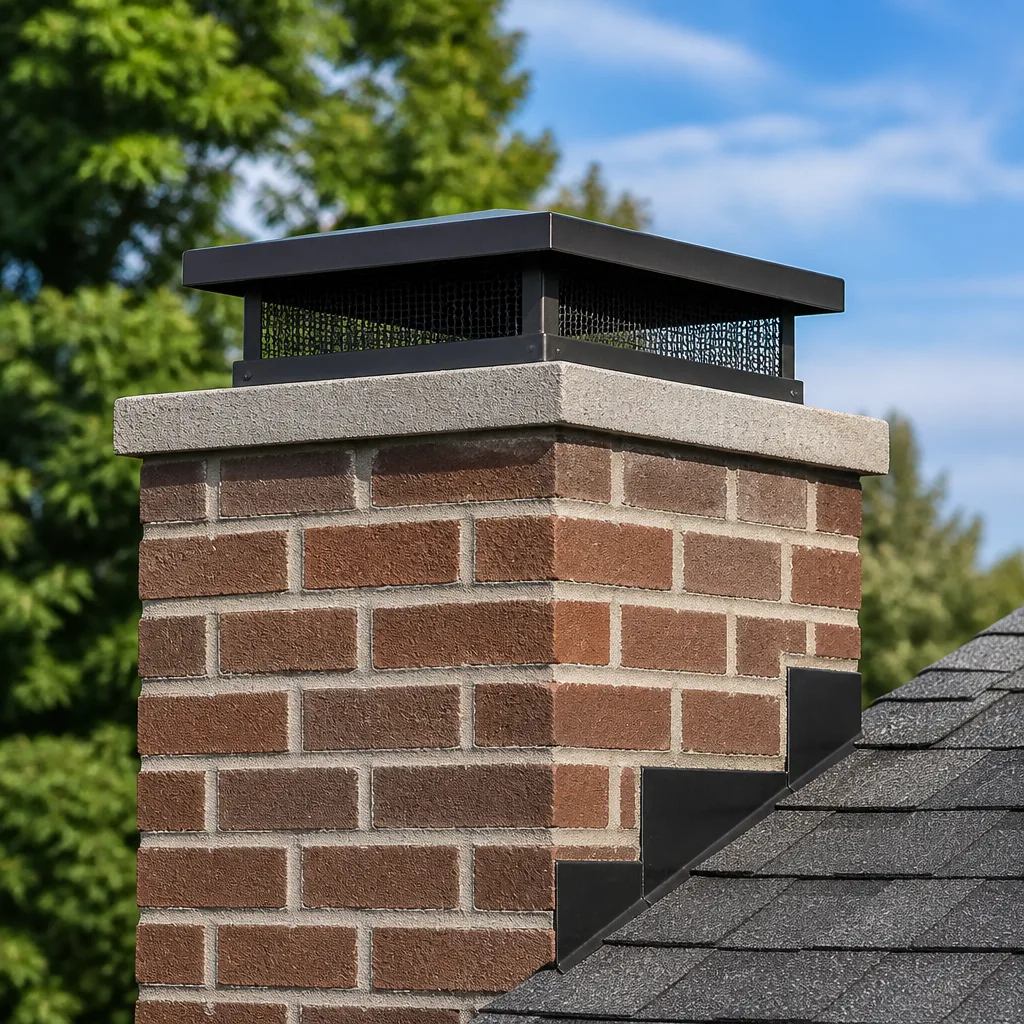
- Chimney cap presence and condition. Look for missing mesh sides, rust holes, or a cap sitting askew. A proper cap has mesh screening on all four sides to exclude birds and squirrels while allowing smoke escape. In Wilmington’s Trolley Square and Forty Acres neighborhoods, we’ve found squirrel nests blocking flues in homes with decorative caps that lack functional mesh.
- Crown visible edges. From the ground, you can often see the concrete crown’s overhang. Look for chunks missing, visible cracks wider than a dime, or a crown that appears to slope toward the flue instead of away from it. Water pooling on the crown destroys flue liners from the top down.
- Brick or stone facing below the roofline. Photograph any spalling, flaking, or powdering of the masonry surface. Spalling means the brick face is popping off in layers, usually from freeze-thaw water penetration. In Wilmington’s older neighborhoods like Cool Spring and Hilltop, pre-1950 brick chimneys show this aggressively.
- Mortar joint condition. Look for recessed, crumbling, or missing mortar between bricks. The “rake test” is simple: if you can fit a house key into a mortar joint deeper than half an inch, the joint needs repointing. Don’t perform the test during wet weather; damp mortar feels harder than it is.
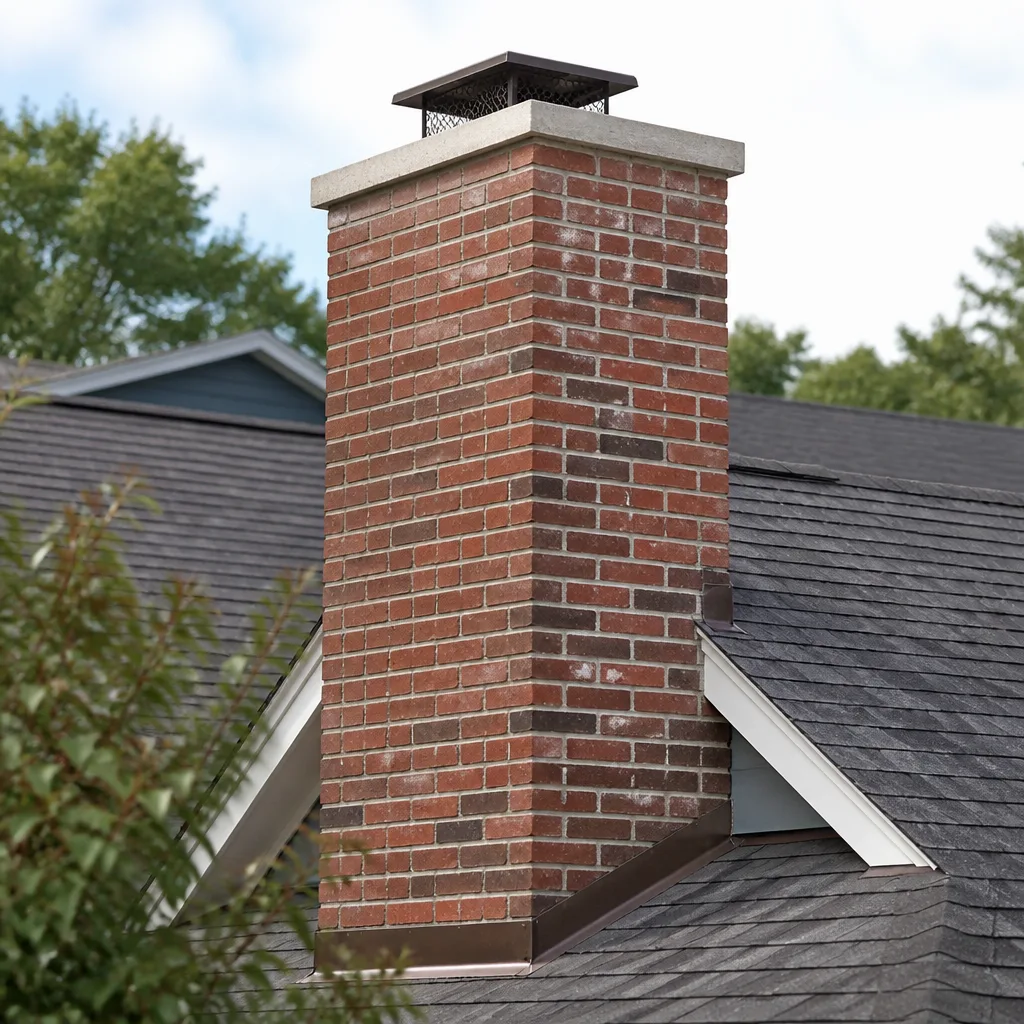
- Flashing at the roof intersection. From the ground, look for lifted shingle edges, visible gaps, or caulk beads that have separated from metal. Wilmington’s wind exposure off the Delaware River can lift flashing tabs that held fine inland.
- Chase cover (factory-built chimneys). If you have a metal chimney enclosed in a wood chase, the flat or pitched cover on top should be stainless steel or copper, not galvanized steel. Rust streaks running down the chase siding mean the cover is failing.
- Exterior stains below the chimney. Dark streaks on siding or efflorescence (white powder) on brick indicate water intrusion. Note the pattern: uniform staining suggests cap or crown failure; localized staining points to flashing or mortar joint leaks.
- Foundation settlement indicators. Look for a chimney pulling away from the house body, visible gaps at the siding intersection, or a lean visible from multiple angles. Any measurable lean requires immediate professional evaluation.
Photograph each item with the date visible in the frame. Store these in a dedicated album or folder. When you call Chimney Repair in Wilmington for an estimate, these photos let the technician prepare appropriate materials and give you a more precise quote.
Firebox Interior Checks Before the First Fire
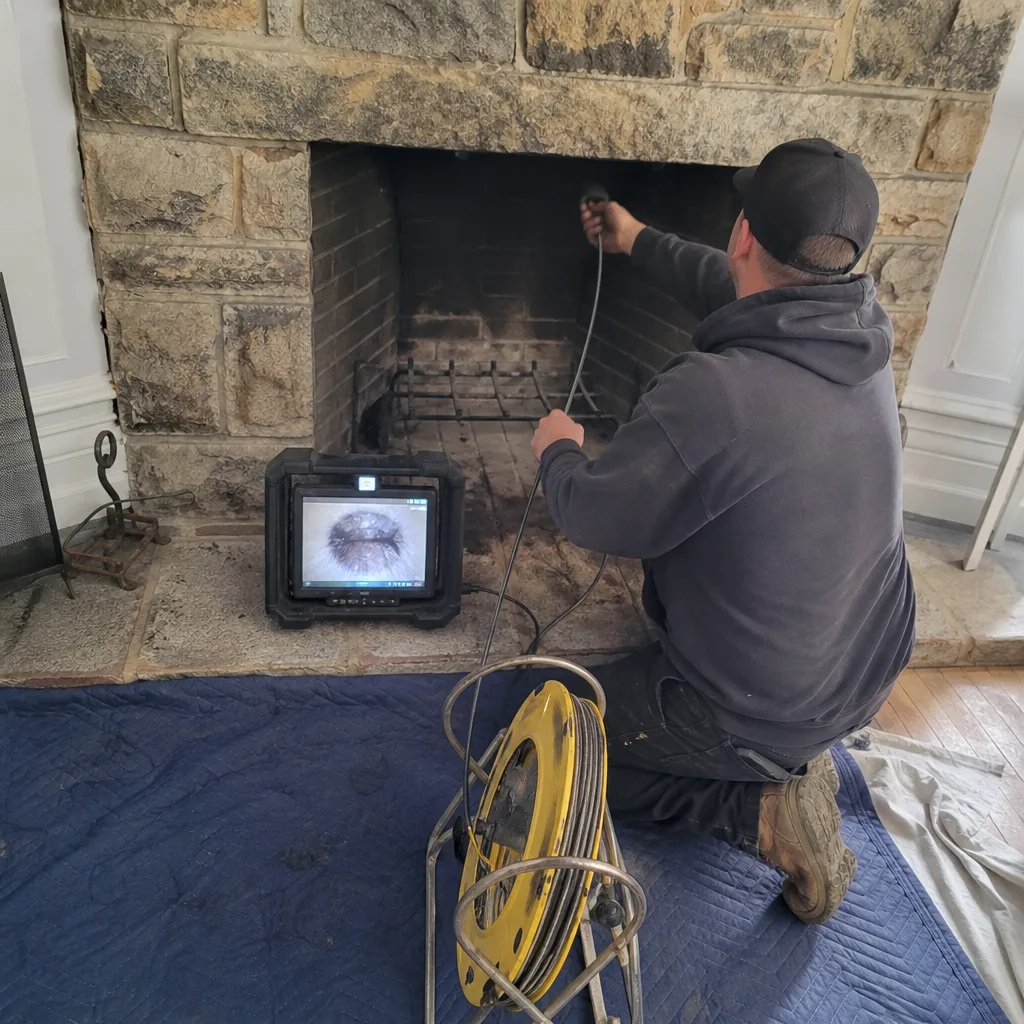
The firebox is where you can get closest to the action without specialized equipment. These checks take ten minutes with a flashlight and should happen before you light the first fire each season.
What to Look For
- Firebrick condition. Look for cracks through bricks, not just surface crazing. A crack that runs through multiple bricks or follows a stair-step pattern indicates thermal expansion stress or underlying structural movement. In Wilmington’s clay-heavy soils, minor foundation shifting is common and shows first in firebox corners.
- Mortar between firebricks. This is refractory mortar, different from exterior mortar. It should be intact, not powdering. Missing mortar allows heat to reach the combustible framing behind the firebox. The NFPA 211 standard requires one inch of masonry clearance to combustibles, but degraded mortar breaches that barrier.
- Smoke chamber walls above the damper. Shine your flashlight up past the damper. The smoke chamber should slope smoothly toward the flue throat. Look for exposed corbelling (stepped brick edges), which creates turbulence and creosote buildup, or any visible gaps where daylight or exterior air enters.
- Damper operation. Open and close the damper fully. It should seat cleanly without grinding or catching. Note whether it seals visibly when closed; a warped or rusted damper leaks heated air year-round and admits chimney odors during humid Wilmington summers.
- Hearth extension integrity. The non-combustible hearth extension in front of the firebox should be intact, level, and of proper depth (typically 16-20 inches for fireplaces, per code). Cracks here often indicate improper foundation support or previous water damage to the subfloor.
- Ash pit door (if present). Check that it seals and that the interior ash pit isn’t waterlogged from a leaking cleanout door below.
What you cannot see from here matters equally. The flue liner above the smoke chamber, the condition of the chimney interior above the roofline, and the structural integrity of the chimney foundation all require equipment you don’t have. That’s not a failure of homeowner diligence; it’s the designed limit of ground-level inspection.
Roofline Items: When to Climb and When to Call
Some components require roof access for proper evaluation. The question is whether you should be the one accessing them.
What Requires Roof Access
- Crown full surface evaluation (not just visible edges)
- Full flashing inspection, especially the uphill side
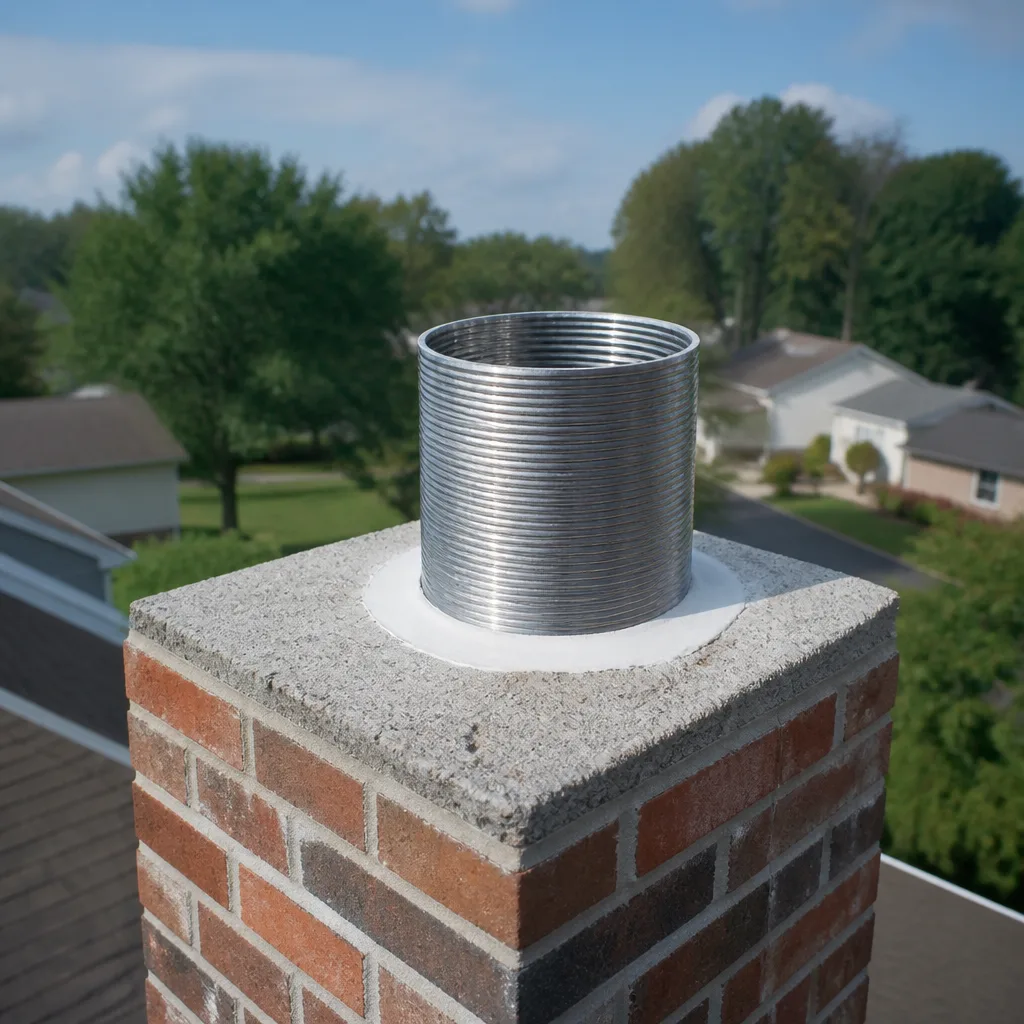
- Cap securement and flue tile condition at the top
- Chimney shoulder or wash condition on masonry chimneys
- Cricket or saddle condition on chimneys wider than 30 inches
Here’s our position after 38,000 inspections: if your roof pitch exceeds 6:12, if the chimney is more than one story above ground level, or if you’re not comfortable with the footing, don’t climb. The information gain from a rooftop photo is not worth a fall. Our technicians carry proper ladders, roof anchors where needed, and work under full insurance coverage. Clause 1 of the Haven Standard requires a written price before work starts, so you’ll know the cost of roofline inspection before anyone sets a ladder.
That said, if you have safe access, a flat roof, or a low-slope section, you can photograph the crown surface and cap installation quality. Look for:
- Crown thickness: should be minimum 2 inches at the edge, sloped away from the flue
- Overhang: the crown should extend past the chimney face by at least 2 inches
- Expansion joint: a visible gap or sealant line between the crown and the flue tile, allowing independent thermal movement
- Cap installation: screws, not just friction fit; storm collar sealed with high-temp sealant
In Wilmington’s riverfront condos and townhomes with flat roofs, we’ve found standing water on crowns that accelerates deterioration by 40% compared to pitched-roof installations. If your crown holds water after rain, it needs addressing regardless of other visible condition.
Wilmington Seasonal Timing: The Labor Day Window
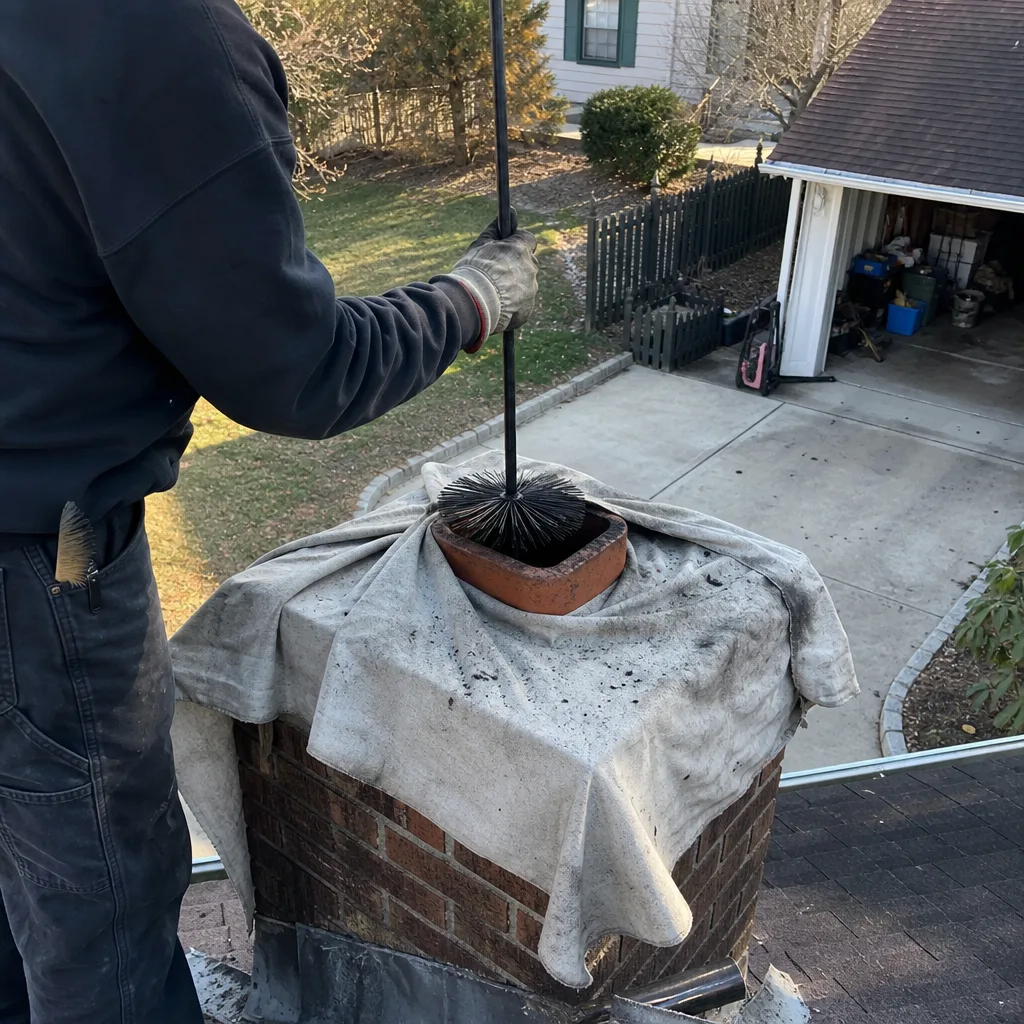
Chimney service in Wilmington follows a predictable seasonal curve that smart homeowners exploit. The highest-value service slot is the eight-week window between Labor Day and the first hard frost, which typically arrives in late October but has come as early as October 15 in recent years.
Here’s why this window matters. Between September 1 and October 15, our schedule has availability for thorough work without rush. After first frost, call volume triples. Technicians are still thorough, but the pace is faster, and the wait for parts or specialty materials extends into burning season. If your inspection reveals a cracked flue liner requiring Fireplace Services in Wilmington or a Chimney Repair in Wilmington project, starting in October means you may miss the first month of usable fireplace weather.
The Wilmington climate pattern specifically: our proximity to the Delaware Bay moderates temperatures but increases humidity. Summer humidity drives creosote absorption into porous masonry. A September sweep removes this accumulated moisture-laden residue before it hardens into Class III glazed creosote, which requires chemical treatment or rotary removal rather than standard sweeping.
We recommend this schedule:
- September 1-15: Schedule your annual inspection and sweep. Book by August 15 for preferred dates.
- September 15-October 15: Complete any recommended repairs before frost.
- October 15-November 30: Backup window for late schedulers; expect 2-3 week lead times.
- December-March: Emergency-only scheduling; routine maintenance deferred to spring.
- April 1-30: Post-season inspection for heavy-use fireplaces; document condition after burning season.
Homes in Wilmington’s northern suburbs, Brandywine Hundred and Talleyville, see earlier frost than riverfront properties. Adjust your scheduling accordingly.
What a Professional Inspection Actually Covers
An NFPA 211 Level 2 inspection, the standard we established as default practice in 2009, goes far beyond what any homeowner can accomplish. Understanding exactly what it includes helps you evaluate competing quotes and recognize when you’re being offered less.
The Level 2 Inspection Components
- Accessible areas inspection. Attics, crawl spaces, and basements where chimney structure is visible. We look for proper clearance to combustibles, signs of previous pyrolysis (heat damage to wood), and structural supports.
- Interior flue camera scan. A high-resolution camera is run the full length of the flue liner. This reveals cracks, gaps, joint separation, creosote buildup patterns, and animal obstructions invisible from top or bottom. Clause 4 of the Haven Standard requires this photo record on every job; we provide it as standard, not an upgrade.
- Smoke chamber and firebox detailed evaluation. Beyond your flashlight check, we measure wall thickness, evaluate parging (the smooth coating on smoke chamber walls), and check for proper dimensions per code.
- Appliance connection inspection. For wood stoves, inserts, or gas log sets, we verify proper clearances, connector pipe condition, and compliance with manufacturer installation requirements.
- Exterior comprehensive evaluation. Crown, cap, flashing, masonry, and foundation, documented with photos from angles you cannot achieve safely.
- Written findings and scope. Before any work beyond the inspection, you receive a written report with findings, recommended actions, and fixed pricing. Clause 1 of the Haven Standard: “Have it in writing.” No exceptions.
What differentiates our approach: the documented photo record. Since 2009, every one of our 38,000+ inspections includes dated, referenced photos stored in our archive. If you sell your home, need insurance documentation, or want to compare condition year-over-year, the record exists. This practice became Clause 4 of the Haven Standard because we believe evidence outlasts memory.
Materials matter for repairs identified during inspection. We source from DuraFlex for stainless steel liners, HeatShield for cerfractory flue resurfacing, and Gelco for caps and accessories. These aren’t the only quality brands, but they’re what we specify when the job demands documented performance.
Building Your Documentation Log
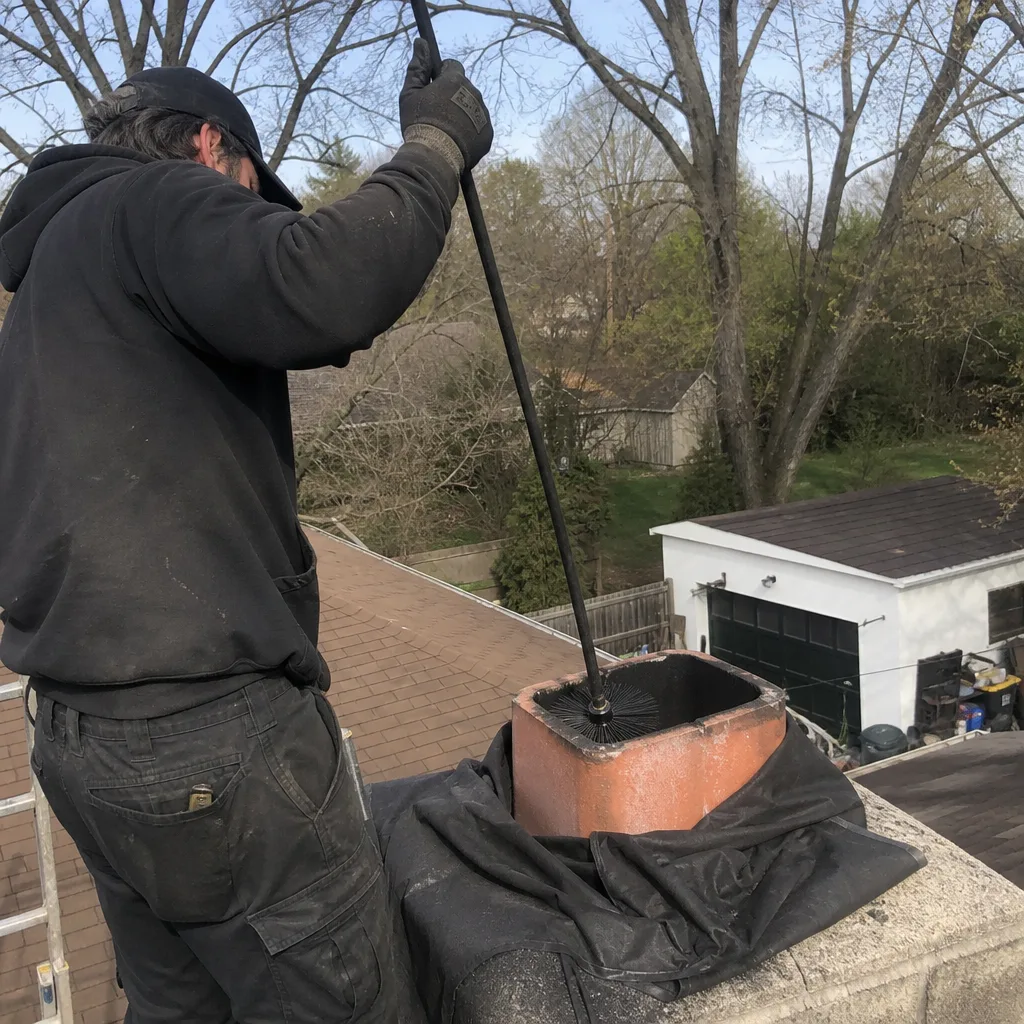
The most overlooked aspect of chimney maintenance is systematic record-keeping. A proper log transforms scattered service receipts into a defensible maintenance history. Here’s what to include after each professional visit.
Required Entries
- Service date and technician name. Not just the company, the individual. This establishes accountability and lets you request the same technician for continuity.
- Camera report reference number. Every Level 2 inspection should generate a reference number for the photo record. Store this prominently.
- Creosote stage documented. Stage 1 (sooty, brush-removable), Stage 2 (granular, requires more aggressive sweeping), or Stage 3 (glazed, requires chemical or rotary treatment). This tracks burning habits and fuel quality over time.
- Flue liner condition assessment. “Sound,” “minor cracking,” “requires relining,” or equivalent. Note the specific location of any defects.
- Deferred items with written quotes. If work is recommended but deferred, attach the written quote with date. This prevents “he said, she said” and gives you a baseline for comparison if you seek a Emberly Chimney Cleaners Wilmington home second opinion.
- Your own dated photos. The ground-level and firebox photos you took before the visit, stored with the professional report.
Format this as a physical folder or dedicated digital folder per calendar year. Email yourself a backup. If you ever face an insurance claim, this documentation is your primary defense against “failure to maintain” exclusions.
How Maintenance Records Affect Insurance Claims
Delaware homeowners insurance policies typically cover chimney fire damage to the structure, but claims can be disputed on maintenance grounds. The specific language to watch for is “reasonable care” or “proper maintenance” clauses. Without documentation, you are relying on memory against an adjuster’s checklist.
Here’s how maintenance records affect outcomes:
- Annual professional inspection records demonstrate due diligence. The NFPA 211 standard, referenced in most policies, recommends annual inspection for active wood-burning systems.
- Documented photo records prove the condition of the flue liner before the fire. If the liner was sound and the fire resulted from a fluke ignition (bird nest, extreme weather event), you’re in a stronger position than if the liner was cracked and the fire resulted from escaped combustion gases.
- Deferred repair documentation matters in both directions. If you declined recommended repairs, the insurer may argue contributory negligence. If you have a written quote and a plan to address it, you’re demonstrating reasonable ongoing maintenance rather than neglect.
- Professional sweep records show creosote was managed, not allowed to accumulate to hazardous levels. Wilmington’s humid summers make this particularly relevant; creosote absorbs moisture and becomes more combustible if left through the off-season.
One specific Wilmington consideration: homes in flood-prone areas near the Christina River or Brandywine Creek may have additional policy riders. Chimney damage from water infiltration after flooding requires separate documentation from fire-related maintenance. Keep these records distinct.
A Year-by-Year Maintenance Schedule
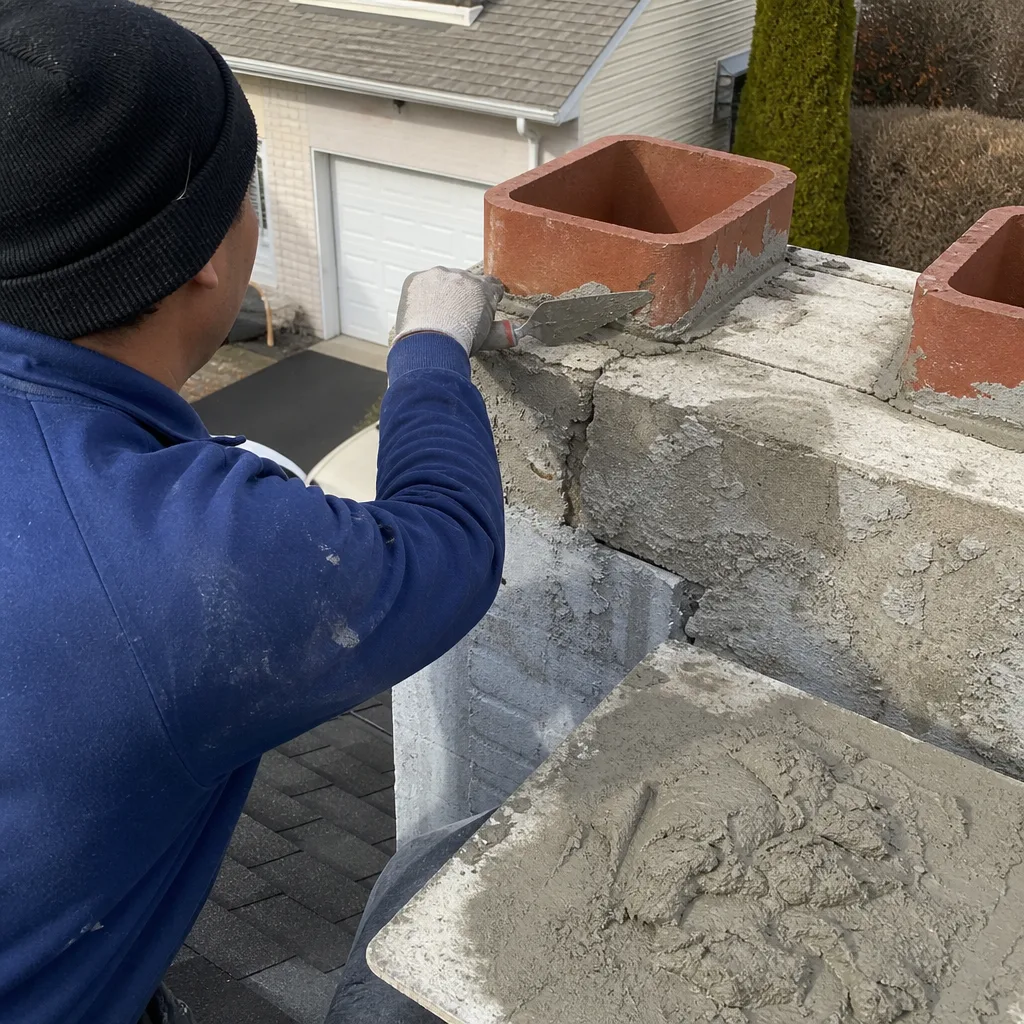
Chimney maintenance needs evolve with the age and use of the system. Here’s how to think about it across the lifecycle of a typical Wilmington home purchased between 2015 and 2025.
Years 1-3: Establishing Baseline
New homeowners often inherit a chimney with unknown history. Schedule a Level 2 inspection immediately, even if the previous owner “had it cleaned recently.” You’re establishing the baseline condition, not verifying their word. Request the camera report reference number and store it. Perform your own ground-level and firebox checks in April and September to build the habit.
Years 4-7: Pattern Recognition
With 2-3 inspection cycles complete, patterns emerge. Is creosote building faster than expected? (Usually indicates green or unseasoned wood, or smoldering burns.) Is the crown deteriorating despite appearing sound initially? (Often indicates improper original construction, common in 2000s-era builds with poured concrete crowns lacking proper reinforcement.) Adjust burning habits and repair timing based on documented trends, not guesswork.
Years 8-12: Component Replacement Cycle
Factory-built chimney chase covers often fail in this window. Masonry crowns may need resurfacing. Dampers require rebuild or replacement. The flue liner, if clay tile, may show thermal shock cracking. This is where the Chimney Cleaning & Sweep in Wilmington inspection becomes critical for prioritization; not everything needs immediate action, but the difference between “monitor” and “repair” requires professional judgment documented in writing.
Years 13+: Full System Evaluation
At this stage, consider a comprehensive evaluation even if individual components seem sound. In Wilmington’s climate, cumulative moisture damage often exceeds visible deterioration. We evaluate whether relining, rebuilding, or ongoing maintenance is the most cost-effective path, and provide written scenarios with 5-year cost projections.
Common Mistakes to Avoid
- Assuming a “cleaning” includes inspection. Many Wilmington-area sweeps offer cut-rate cleanings without camera evaluation. You get a brushed flue and no information about liner condition. Always confirm Level 2 scope before booking.
- Photographing without dating. A photo of crown damage from 2019 looks identical to one from 2024. Without dates, you cannot demonstrate progression or stability to an insurer or buyer.
- Ignoring the smoke chamber. Homeowners focus on the firebox and flue, but the smoke chamber (the area above the damper) is where most chimney fires start. It’s inaccessible to homeowner visual inspection and requires professional evaluation.
- Delaying until cold weather. The October rush means less scheduling flexibility and longer waits for materials. Wilmington’s first frost window is unpredictable; plan for September completion.
- Burning unseasoned wood “just this season.” Wood with moisture content above 20% produces Class III creosote rapidly. One winter of green oak can create a full season’s hazardous buildup. Use a moisture meter; they’re $30 and pay for themselves immediately.
- Accepting verbal quotes for significant work. Any repair over $500 should be documented in writing with scope, materials, and warranty. Verbal quotes are unenforceable and create dispute vulnerability.
- Neglecting gas fireplace maintenance. Gas systems don’t produce creosote, but they accumulate debris, suffer from moisture in venting, and develop burner orifice problems. Annual inspection is still required for safe operation.
When to Call a Professional
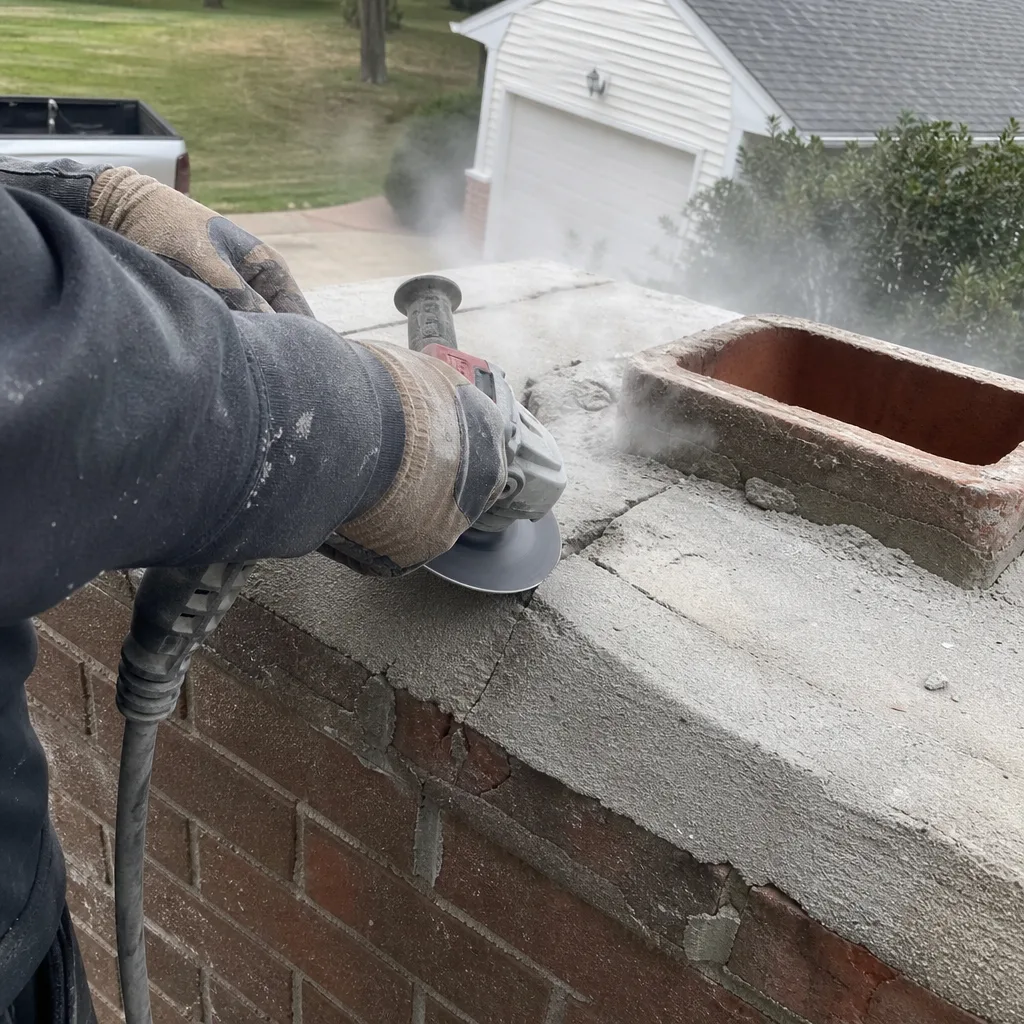
Call for professional evaluation when: your ground-level photos show new or worsening mortar joint recession, cracking, or spalling; your firebox inspection reveals cracks through bricks or missing refractory mortar; you smell smoke or combustion odors when the fireplace is not in use; your damper no longer seats or operates smoothly; you’ve had a chimney fire, however minor; or you’re purchasing a home and need baseline documentation.
Emberly Chimney Cleaners Wilmington offers free estimates in Wilmington - call (610) 546-5053. Every estimate includes a written scope and price before any work begins, backed by the 365-Day Done Right Promise. If you have a competitor’s written quote, we provide a free second opinion with no obligation.
Frequently Asked Questions
A professional chimney sweep with NFPA 211 Level 2 inspection and camera scan in Wilmington typically ranges from $250 to $450 for a standard masonry fireplace, depending on accessibility, flue condition, and whether the system is a straightforward open hearth or a wood stove insert requiring additional disconnection and reconnection work. Factory-built chimneys and multi-flue systems may fall outside this range. We deliver a written price before any work starts, with no surprise add-ons. Call (610) 546-5053 for an exact quote - estimates are free.
The NFPA 211 standard recommends annual inspection for all chimney systems, and sweeping as needed based on creosote accumulation. For Wilmington homeowners burning seasoned hardwood 2-3 times weekly during heating season, this typically means annual sweeping. Occasional users may extend to every 18-24 months if inspection confirms minimal buildup, but the annual inspection remains non-negotiable for safety and insurance documentation.
You need a new flue liner when the existing one is cracked, separated at joints, or improperly sized for the appliance it serves - and only a camera inspection can determine this with certainty. We show you the footage. If the liner is sound, we document that and recommend continued monitoring. If replacement is needed, we specify why with photo evidence, provide a written quote using DuraFlex or HeatShield materials as appropriate, and note whether the condition is urgent (unsafe to burn) or can be scheduled for the off-season.
Skipped maintenance leads to creosote accumulation, which increases chimney fire risk; moisture intrusion causing liner deterioration and masonry damage; and undetected structural issues that become more expensive to repair. In Wilmington’s humid climate, one skipped season often means moisture-absorbed creosote that hardens to Class III, requiring chemical treatment rather than standard sweeping. The cost difference is typically $200-400 additional. Insurance claims for chimney fires in poorly maintained systems may be denied or reduced.
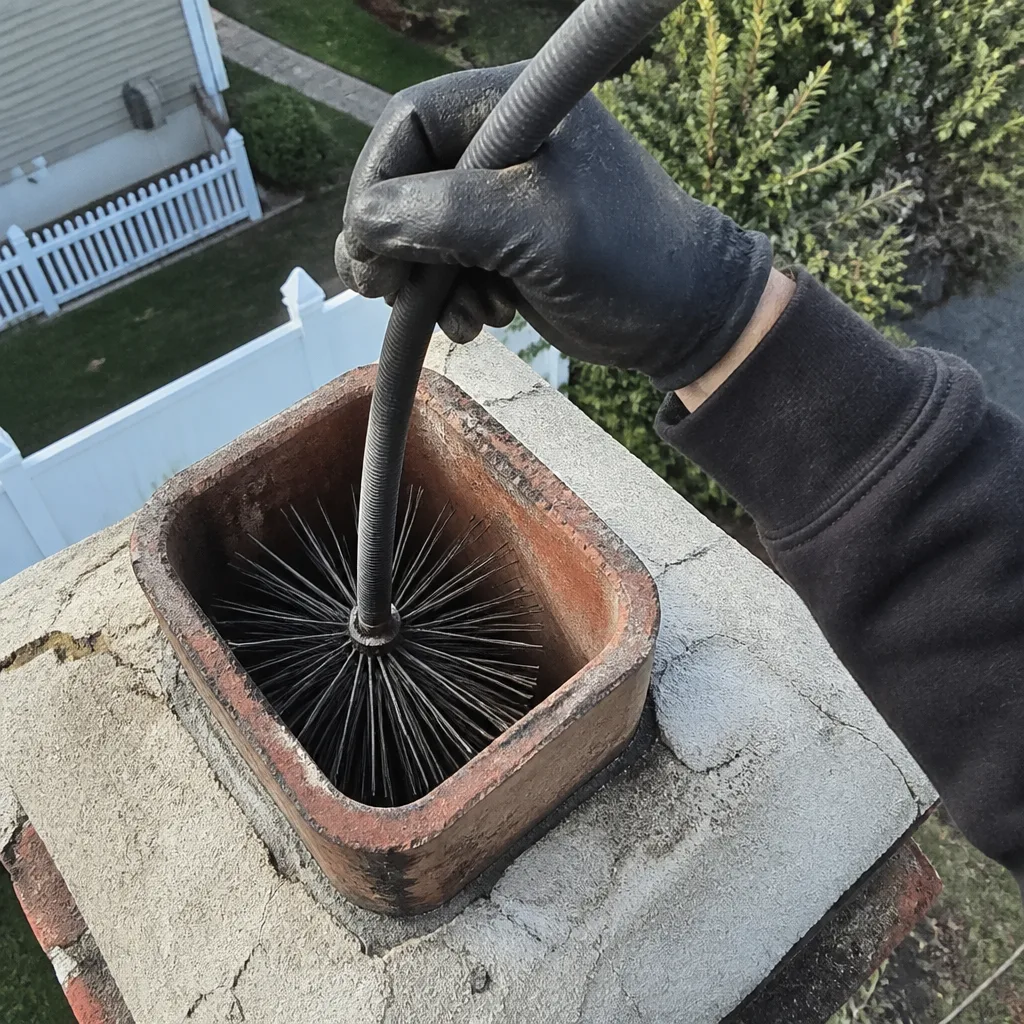
Homeowners can remove minor ash and debris from the firebox and perform the ground-level checks in this guide, but flue sweeping requires proper brushes, rods, and vacuum equipment, and liner evaluation requires a camera system. More critically, working on a roof or with chimney components involves genuine safety risks from falls and from disturbing accumulated creosote without proper respiratory protection. We recommend professional service for flue work and reserve your own efforts for documentation and monitoring.
A Level 1 inspection is a visual examination of readily accessible portions of the chimney exterior, interior, and connections, appropriate for ongoing use of systems with no changes. A Level 2 inspection adds examination of attics, crawl spaces, and basements, and requires a camera scan of the flue interior. It’s required upon sale or transfer of a property, after an operating malfunction or external event, or when changes are made to the system. Emberly Chimney Cleaners Wilmington performs Level 2 as our default because the information gain justifies the modest additional time.
The Bottom Line
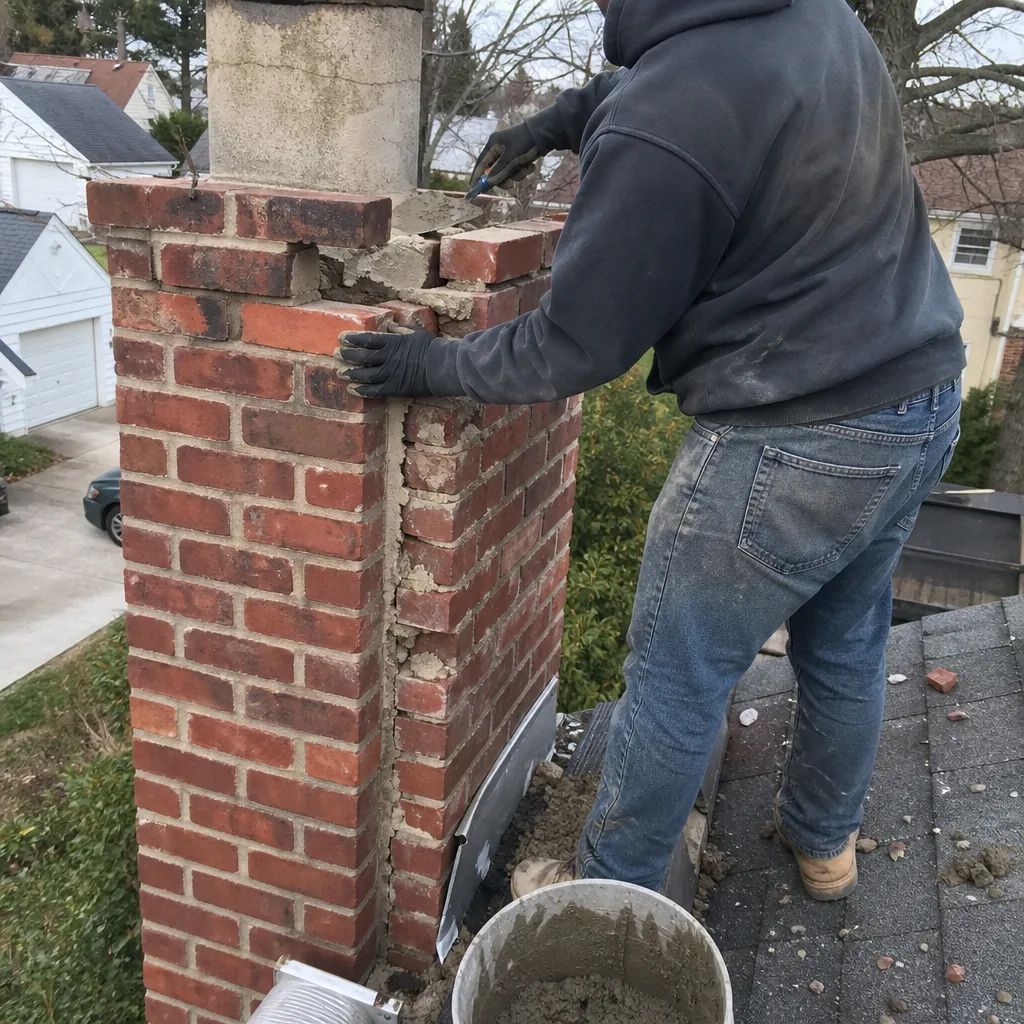
Effective chimney maintenance in Wilmington separates what you can see from what requires professional equipment. Document the visible components yourself, photograph everything with dates, and schedule professional camera inspection annually during the September-October window. The combination of homeowner vigilance and professional documentation protects your home, satisfies insurance requirements, and prevents the emergency repairs that cost three times as much as planned maintenance. For more guides & resources, see our blog. The checklist is simple; executing it consistently is the entire challenge.
Written by Corrine Halstead, Owner at Emberly Chimney Cleaners Wilmington, serving Wilmington since 2009.