
Last updated September 22, 2026
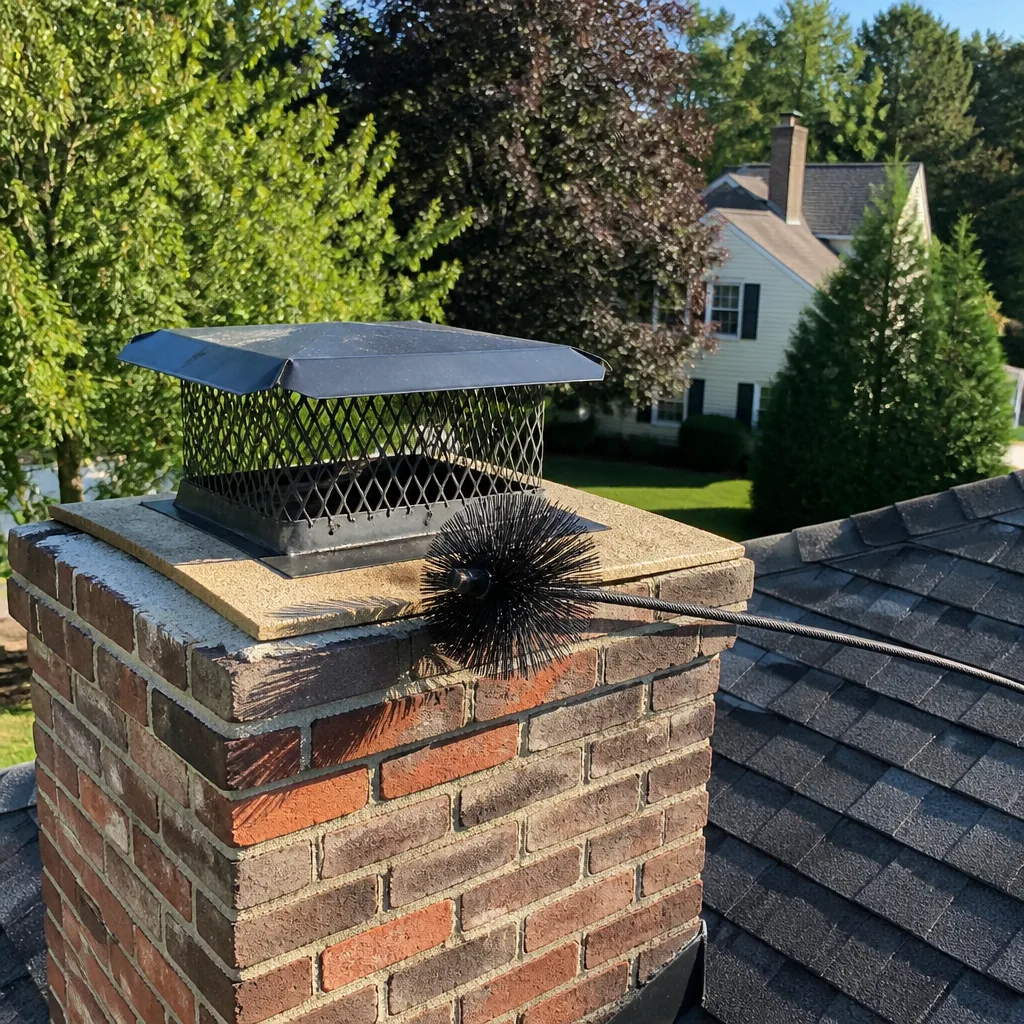
Level 1 sweep and inspection to the NFPA 211 annual standard - flue, crown, cap, and flashing checked and photographed
Chimney sweep logs do not sweep chimneys. They loosen some creosote - which then falls where a brush and vacuum still have to collect it.
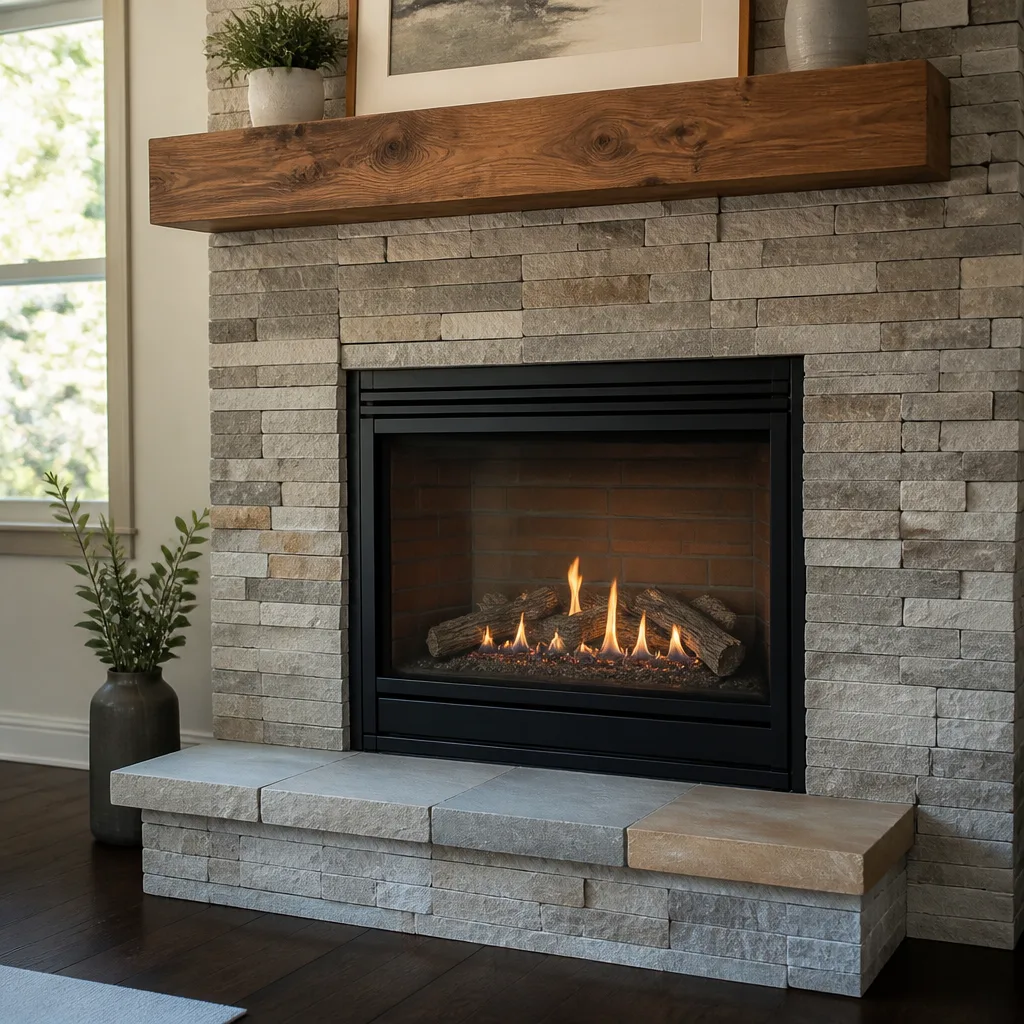
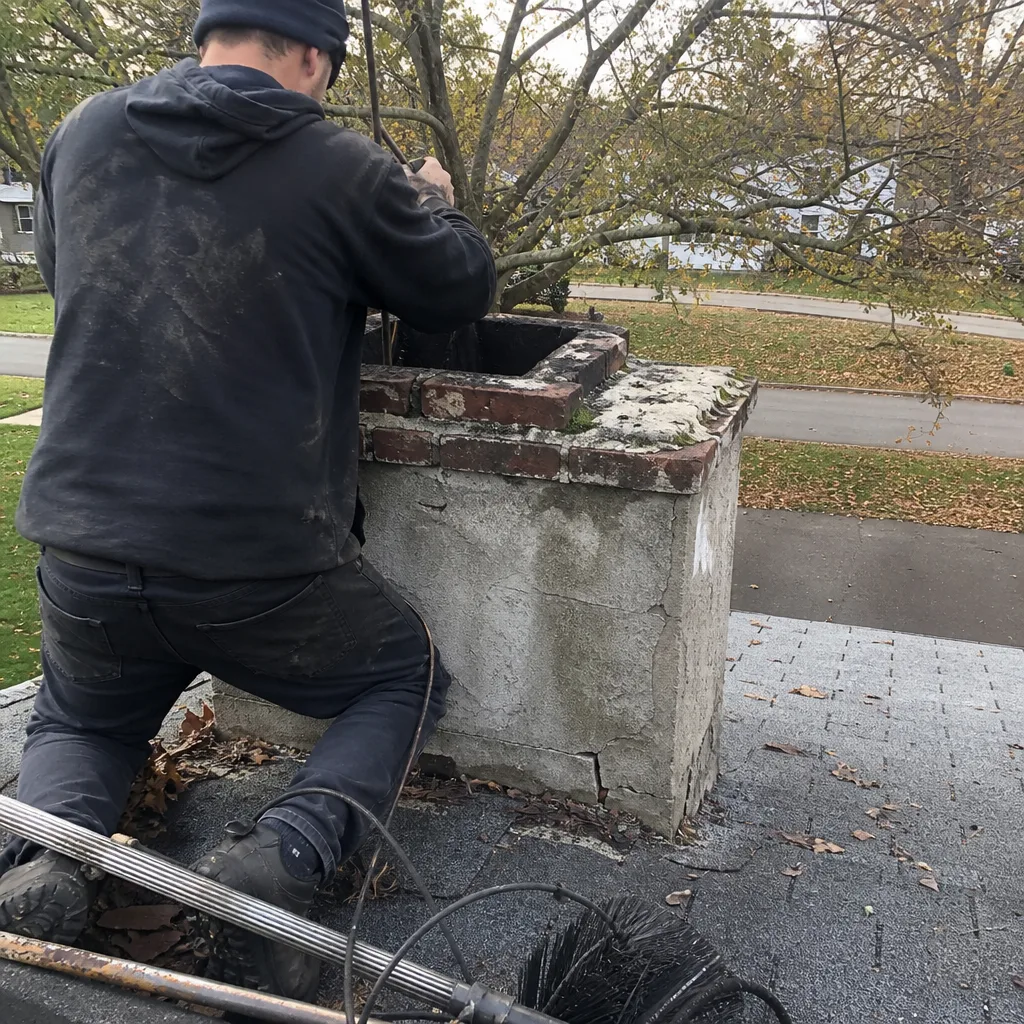 Before
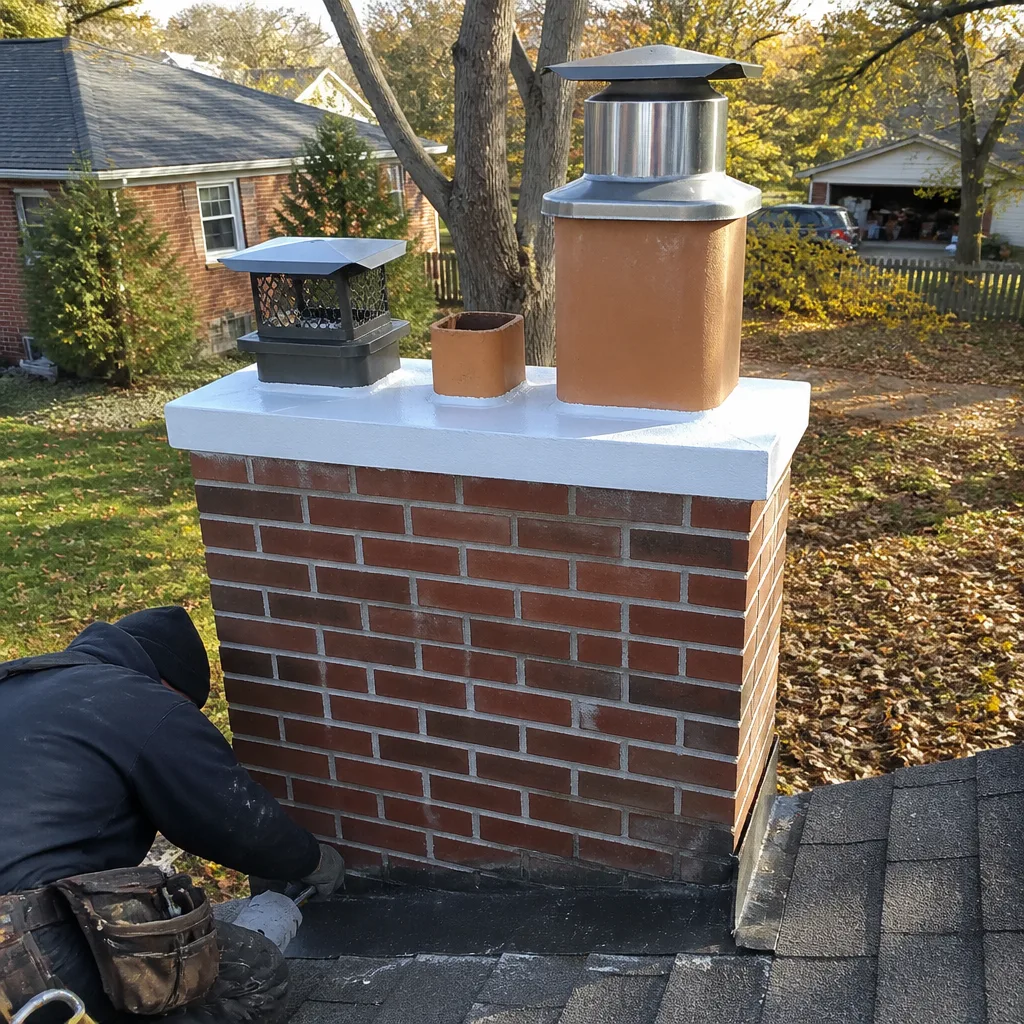 After
After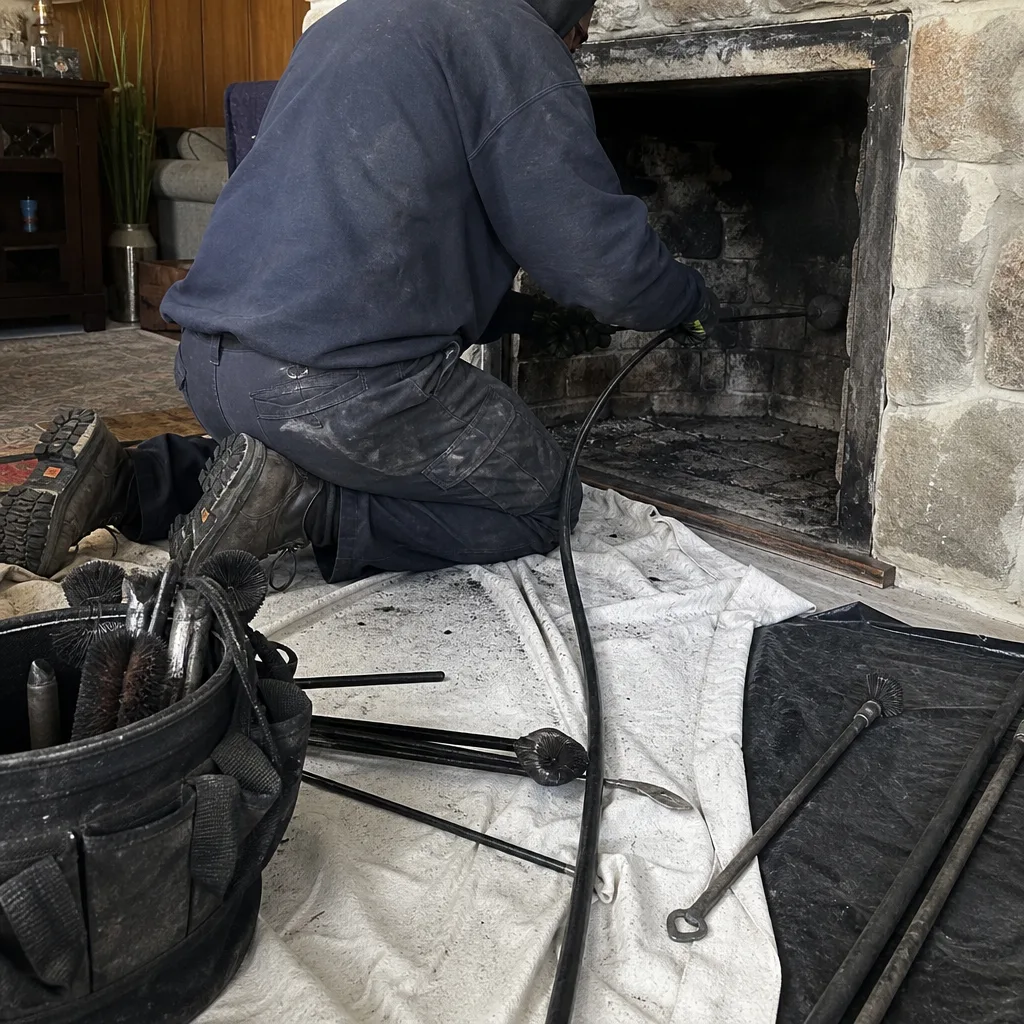 Before
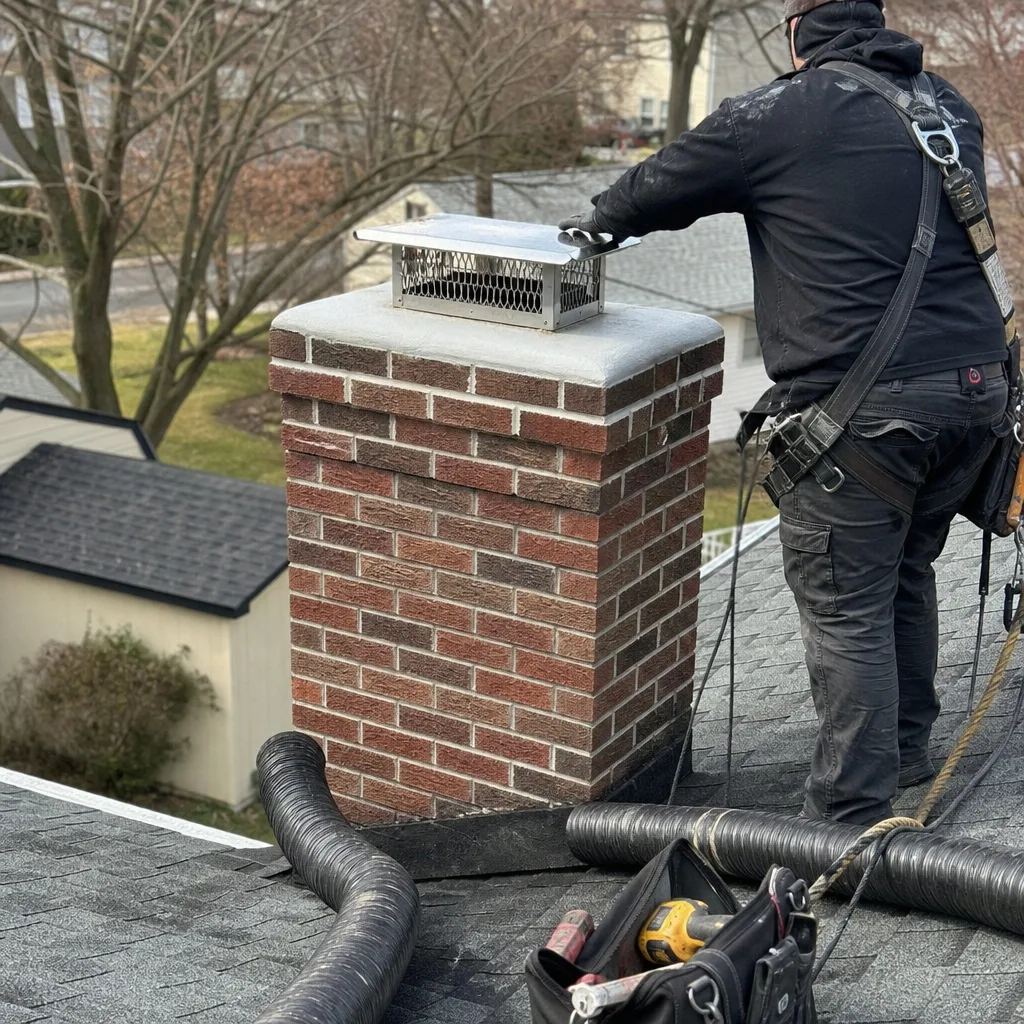 After
After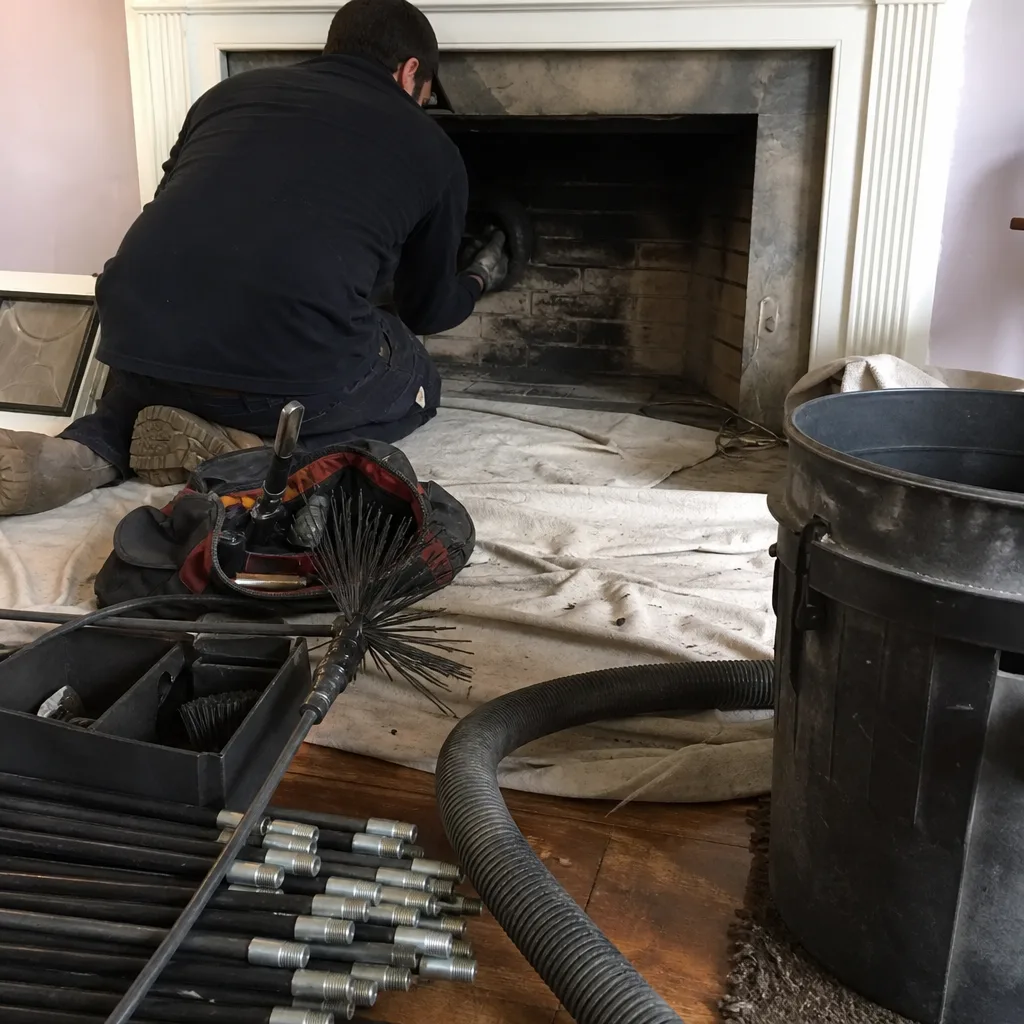 Before
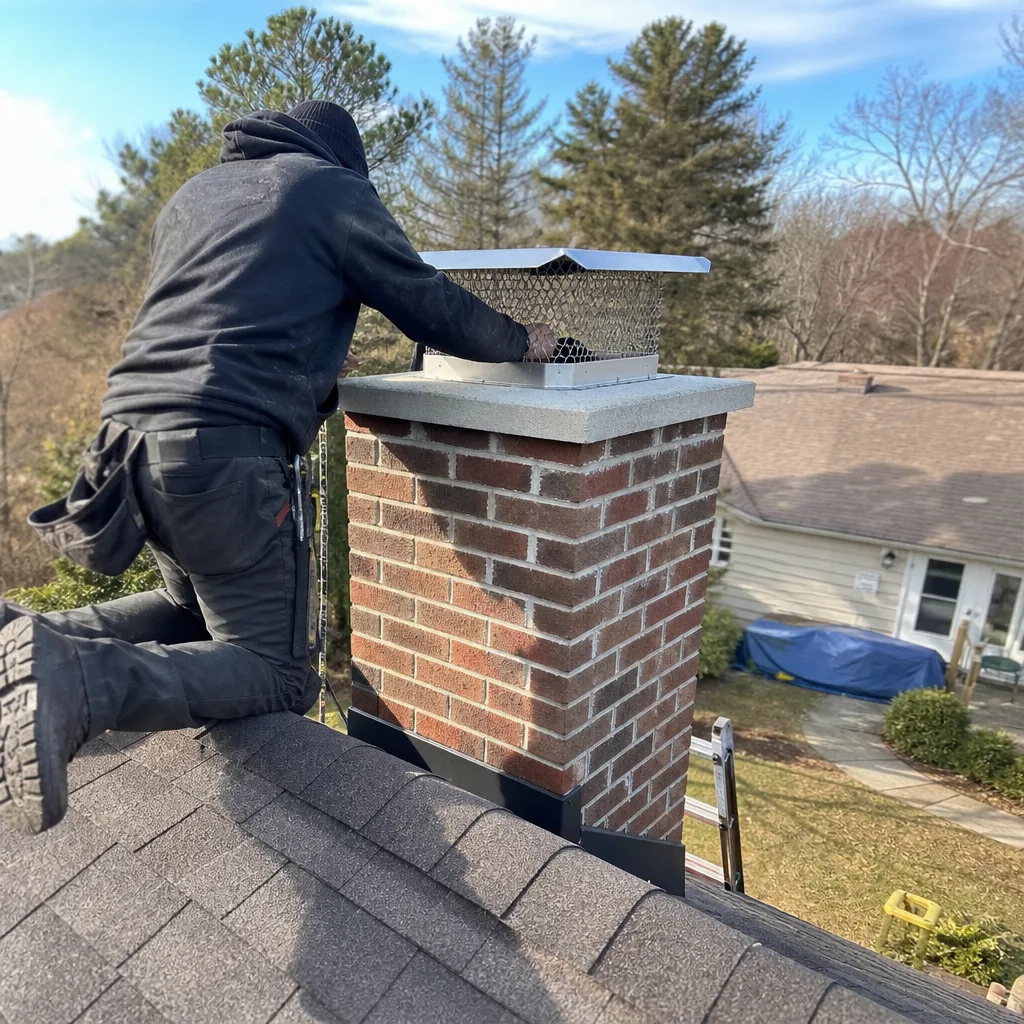 After
AfterChimney Cleaning Warning Signs: A Wilmington Homeowner’s Reference Guide
Most chimney warning sign guides read like symptom lists for hypochondriacs - everything’s an emergency, nothing’s explained, and you’re left dialing a contractor in a panic over something that could have waited until fall. Here’s the reality we’ve learned from 38,000 inspections: a white mineral stain on your Wilmington chimney’s exterior brick means moisture, not imminent collapse. A dark oily stain after your last fire means something else entirely. The difference determines whether you stop using the fireplace tonight or simply move your annual sweep up by a month. This guide - along with our Complete Guide to Chimney Cleaning in Wilmington - sorts every common warning sign into three action tiers so you can make the camera report the resolution, not the phone call.
Quick Answer
Chimney warning signs in Wilmington fall into three urgency tiers: stop-use-immediately signs include visible flames or sparks outside the flue, carbon monoxide detector alarms, and structural cracks with smoke leakage; schedule-within-two-weeks signs include Class III creosote buildup, damaged flue liners, and crown cracks with water intrusion; document-and-monitor signs include minor efflorescence, slight mortar erosion, and seasonal draft variations. A camera-scan inspection (NFPA 211 Level 2) separates actual fire and safety hazards from cosmetic concerns that can wait.
Table of Contents
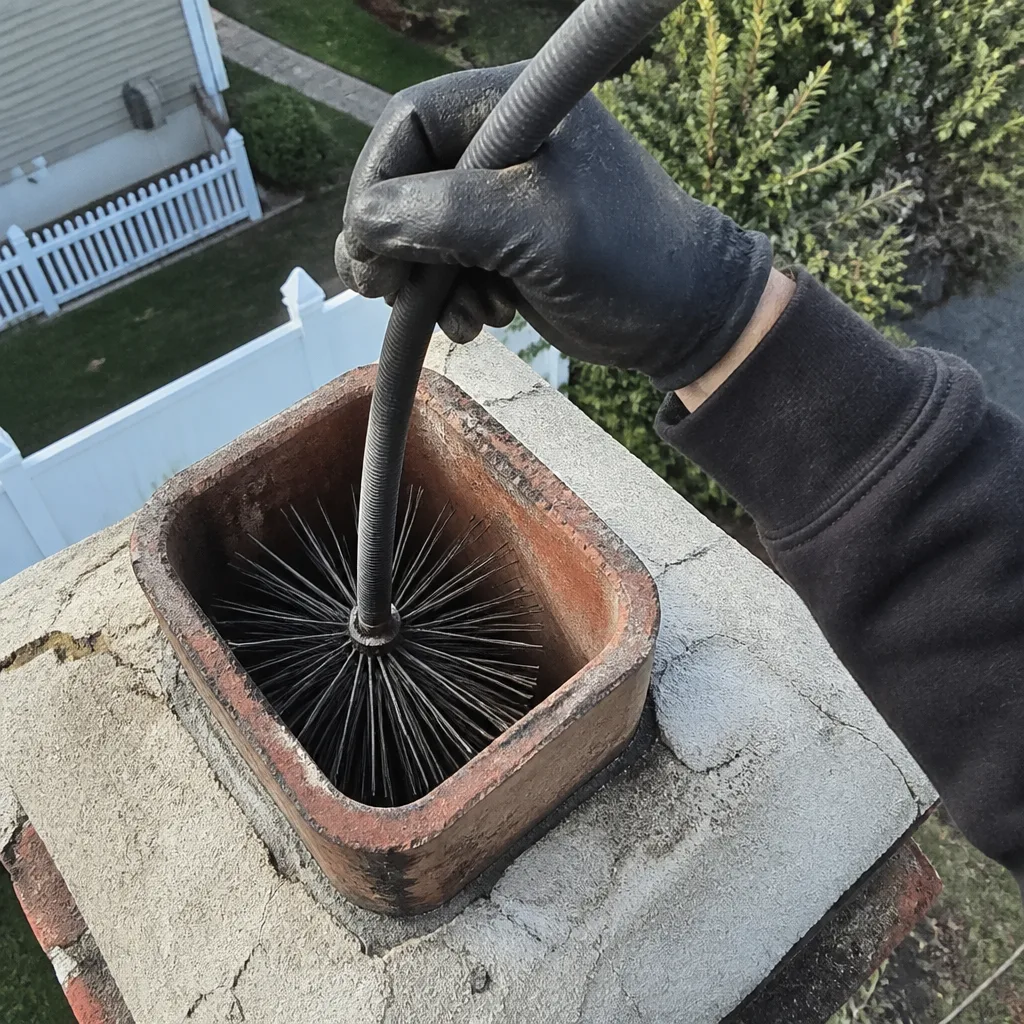
- Three-Tier Urgency: How to Classify What You’re Seeing
- Stop-Use-Immediately Signs
- Schedule-Within-Two-Weeks Signs
- Document-and-Monitor Signs
- Decoding Chimney Odors: What Each Smell Actually Means
- Exterior Masonry Warning Signs in Wilmington’s Climate
- Smoke Backdraft: Blockage vs. Design Flaw
- How to Photograph and Document a Warning Sign Before Calling
BeforeAfterThree-Tier Urgency: How to Classify What You’re Seeing
The problem with most chimney warning lists is diagnostic flatness. A cracked crown and a collapsed flue liner both appear as “call a professional,” which is technically true but practically useless when you’re deciding whether to cancel dinner plans. We’ve organized 15 years of Chimney Cleaning & Sweep in Wilmington field data into three tiers based on what happens if you delay action.
Stop-use-immediately means exactly that: extinguish any active fire, do not light another, and call for inspection within 24 hours. These are active fire, carbon monoxide, or structural collapse risks. Delay measured in days, not weeks, creates genuine hazard.
Schedule-within-two-weeks covers conditions that will worsen and eventually create stop-use scenarios, but don’t present immediate danger if the fireplace stays cold. These are your “book the inspection, use the space heater” situations.
Document-and-monitor is for conditions that are real but stable. Photograph, note the date, and address at your next scheduled sweep or when other work brings us to your home. These don’t justify an emergency fee.
The key discipline: never self-diagnose the tier. What looks like minor efflorescence to a homeowner sometimes reveals, under camera inspection, a liner breach that’s been channeling moisture into the masonry for multiple seasons. That’s why we include NFPA 211 Level 2 camera scans as standard on every Emberly Chimney Cleaners Wilmington home visit - Clause 4 of the Haven Standard requires documented photo records on every job, running continuously since 2009.
Stop-Use-Immediately Signs
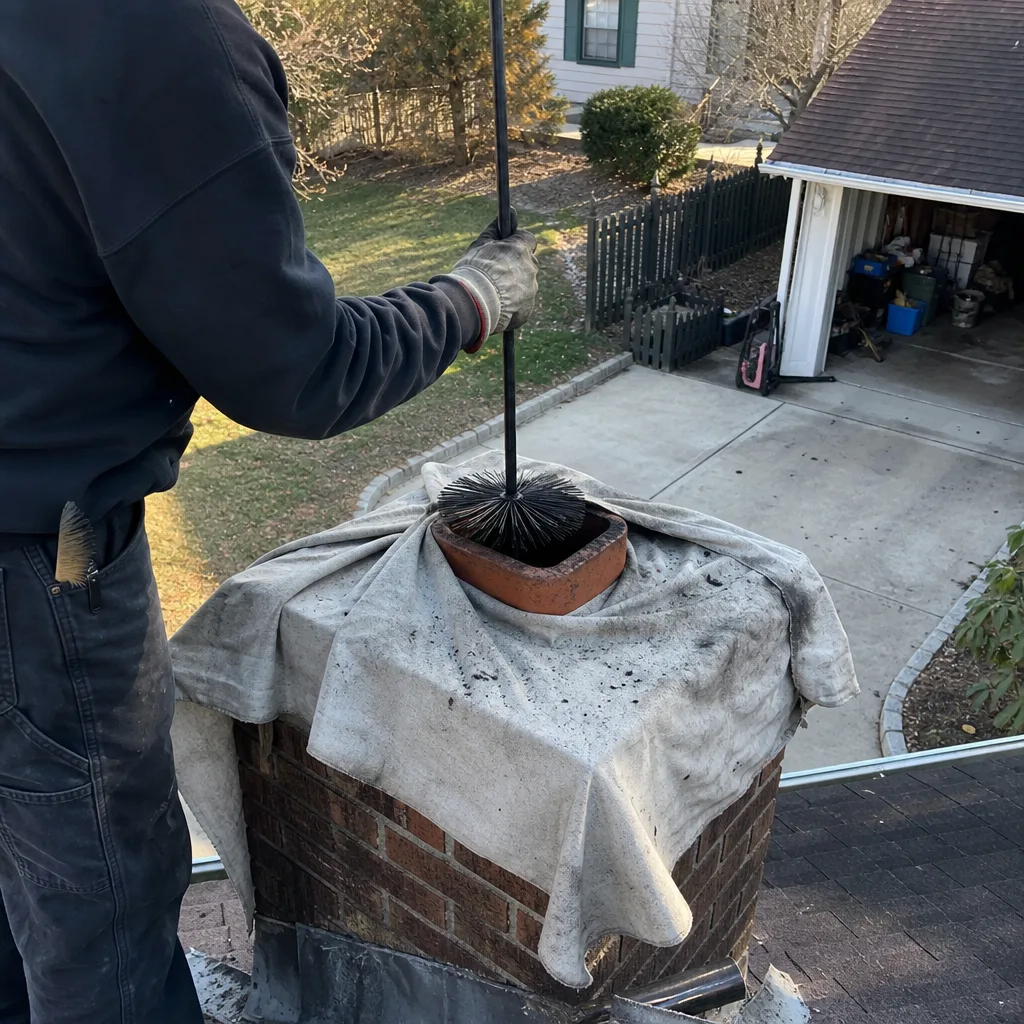
These four conditions mean the fireplace or appliance is offline until a professional inspection clears it.
Visible Flames or Sparks Exiting the Chimney Exterior
If you see flame, glowing material, or sparks at the chimney top, at any exterior masonry joint, or through cracks in the surround, the fire is not contained within the flue system. This indicates either a liner breach, a chimney fire in progress, or both. Chimney fires burn at 2,000°F and can crack clay flue tiles in a single event, creating pathways for flame contact with combustible framing. In Wilmington’s older housing stock - particularly the pre-1950 brick colonials common in Trolley Square and Forty Acres - original clay liners are often 80+ years old and have minimal thermal shock tolerance remaining.
Action: Extinguish the fire if safely possible. Evacuate if the structure shows any sign of active burning. Call for emergency inspection. Do not use the fireplace until cleared.
Carbon Monoxide Detector Alarm with Fireplace in Use
CO alarms near the fireplace or on upper floors that trigger during or shortly after a fire indicate incomplete combustion, flue gas spillage, or a blocked flue. Carbon monoxide is odorless and binds to hemoglobin 200 times more readily than oxygen. The alarm is not a suggestion.
In Wilmington’s climate, where temperature inversions are common in late fall and winter, atmospheric pressure can suppress natural draft and cause spillage even in properly constructed systems. But “properly constructed” is the key question - a camera scan determines whether the issue is weather-related, blockage-related, or design-related.
Action: Evacuate immediately. Do not re-enter until CO levels are verified safe by emergency responders or qualified technician. Do not use the fireplace until inspection identifies and resolves the source.
Structural Cracks with Active Smoke Leakage
Smoke visible through masonry cracks, wall stains that appear during a fire, or smoke odor in upper-floor rooms during fireplace use indicates the flue system has lost containment. This is distinct from minor smoke odor during startup, which often indicates cold flue syndrome and resolves as the flue warms. Active leakage during established fire means gases are migrating through the chimney structure into wall cavities.
Wilmington’s freeze-thaw cycles accelerate this condition. Water enters cracks, freezes, expands, and widens pathways. By the time smoke is visible, the underlying liner damage is typically extensive.
Detached or Collapsed Flue Liner Visible from Below
If you can see into the flue from the firebox and observe missing liner sections, shifted tiles, or daylight through the chimney wall, the fire is in direct or near-direct contact with combustible structure. This is an automatic stop-use condition. Clay tile liners in Wilmington’s older homes were often installed with inadequate support ledges and have settled or shifted over decades of thermal cycling.
Replacement liner systems from DuraFlex and Olympia Chimney, installed under Haven Standard protocols, restore proper containment and are documented with pre- and post-installation camera records per Clause 4.
Schedule-Within-Two-Weeks Signs
These conditions won’t burn your house down tonight, but they will escalate. Two weeks is our maximum recommended delay; many should be addressed sooner.
Class III Creosote Buildup
Creosote forms in three classes. Class I is soot - dusty, easily brushed. Class II is granular or flaky, requires more aggressive sweeping. Class III is glazed, hardened, and tar-like - it forms when fresh creosote deposits over hot surfaces before the previous layer fully cools, then bakes into a nearly impermeable mass. Class III is the fuel source for chimney fires.
It looks like black, shiny, bubble-textured coating on the flue walls. It doesn’t brush off with a standard sweep. It requires rotary mechanical removal or chemical treatment. In Wilmington, where many homeowners burn seasoned hardwood from Pennsylvania suppliers, Class III buildup is common in systems used as primary heat sources through extended burn seasons.
We’ve removed Class III deposits exceeding two inches in thickness from flues in the Highlands neighborhood, where 1920s construction with exterior masonry chimneys creates rapid cooling that accelerates condensation and glazing. The camera scan shows the full extent - what appears minor from the firebox opening often conceals significant buildup above the smoke chamber.
Action: Stop burning until removal is complete. This is not a DIY project - rotary removal requires proper equipment and containment, and the dislodged material is a respiratory hazard. See our DIY vs Professional Chimney Cleaning guide for a full comparison.
Crown Cracks with Evidence of Water Intrusion
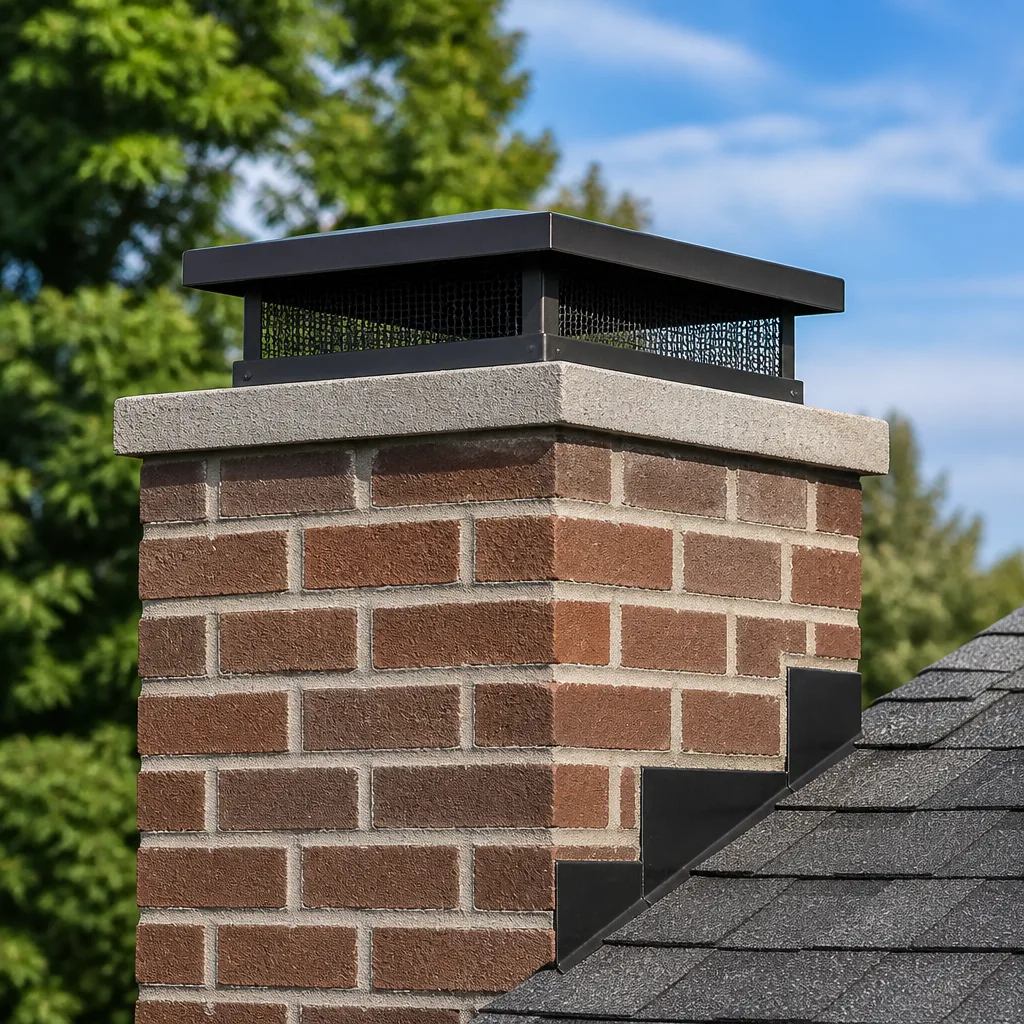
The crown is the concrete or mortar cap sealing the chimney top between the flue liner and the outer masonry edge. Cracks in the crown allow water directly into the chimney structure. Evidence of active intrusion includes dampness on the firebox back wall, rust stains on the damper, or musty odor after rain.
Wilmington’s precipitation pattern - roughly 45 inches annually, with heavy spring and fall rain events - makes crown integrity particularly consequential. A cracked crown in October, left unaddressed through winter, allows freeze-thaw damage to accelerate through the masonry below.
Crown repair with proper bonding agents, or full replacement with reinforced concrete, stops the water pathway. We document pre-repair crack patterns and post-repair sealing with dated photos under Haven Standard Clause 4.
Damaged or Deteriorated Flue Liner (No Active Leakage)
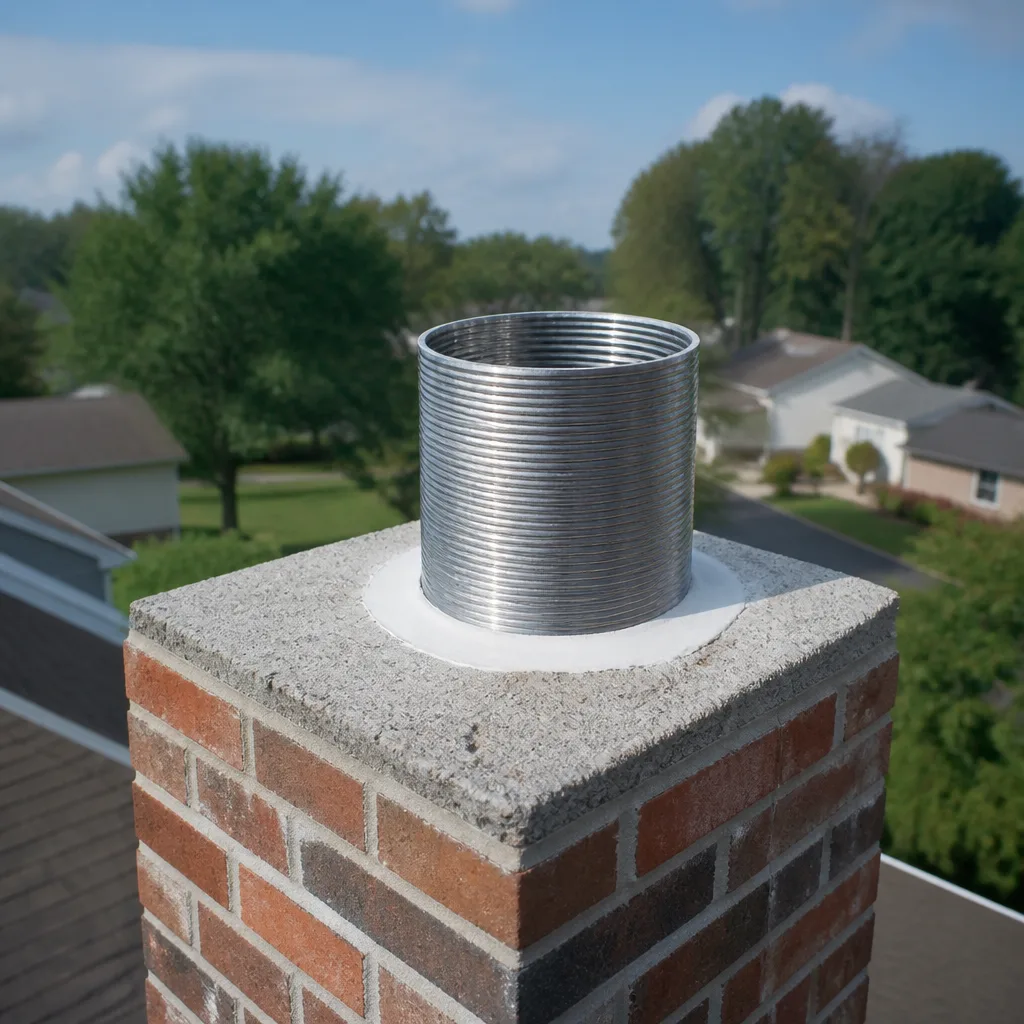
Camera inspection reveals liner cracks, spalling (surface flaking), or joint gaps that haven’t yet progressed to active smoke leakage. These are time bombs, not immediate threats. The liner’s job is to contain combustion products and protect combustible framing from heat transfer. A cracked liner still performs partially - until thermal stress or creosote ignition completes the failure.
Clay tile liners in Wilmington homes show predictable failure patterns: vertical cracks near the top third (thermal shock from chimney fires), joint separation at offsets (settlement), and spalling at the smoke chamber (acid condensation from gas appliances). The camera scan identifies which pattern is present, which determines whether spot repair, full liner replacement, or stainless steel relining is appropriate.
Stainless steel liner systems from DuraFlex and HeatShield refractory resurfacing are both options, selected based on flue configuration and appliance type. The written scope and price are delivered before work begins - Haven Standard Clause 1, “Have it in writing.” For help selecting a qualified company, read How to Hire a Chimney Cleaning Contractor in Wilmington.
Damper Corrosion or Malfunction
A damper that won’t fully open, won’t seal when closed, or shows significant rust has failed in its two functions: controlling draft during use and sealing the flue when idle. A stuck-open damper wastes conditioned air year-round. A stuck-closed damper creates smoke backup and forces combustion gases into the living space.
Rust indicates chronic moisture intrusion - from crown leaks, flashing failure, or condensation from an oversized flue on a high-efficiency appliance. The fix addresses both the damper and the moisture source.
Document-and-Monitor Signs
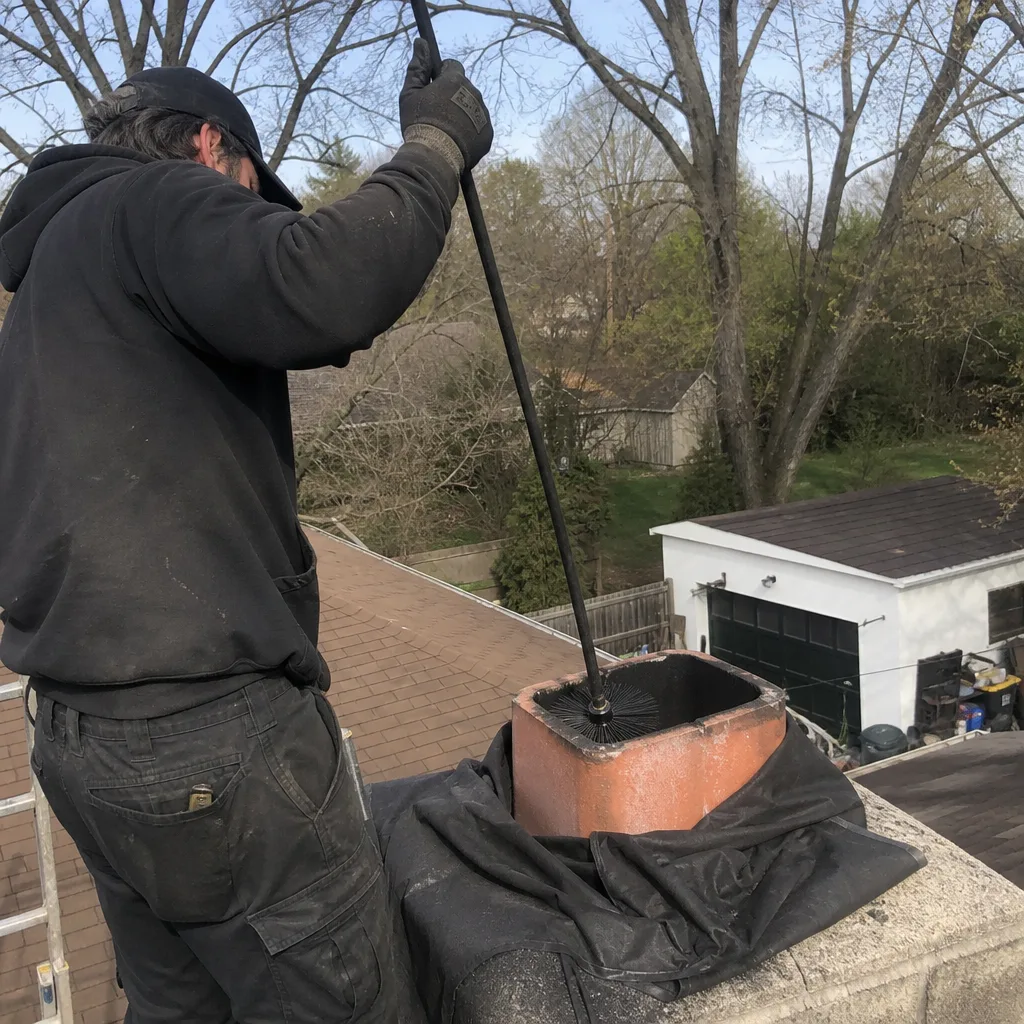
These conditions are real but stable. They don’t justify emergency fees or schedule disruption. Photograph, note the date and conditions, and address at your next planned service.
Efflorescence on Exterior Masonry
White, powdery, or crystalline deposits on brick surfaces are mineral salts pushed out by moisture moving through the masonry. The moisture source may be ground water wicking upward, roof runoff, or minor crown seepage. Efflorescence itself is cosmetic - the salts are not structurally damaging.
What matters is whether the moisture causing it is ongoing and whether it’s reaching interior components. In Wilmington’s clay-rich soil, rising damp is common in chimneys without proper dampproofing. The camera scan determines whether the flue liner shows moisture staining or the smoke chamber shows salt deposits that would indicate the moisture path reaches the interior.
Photograph the efflorescence pattern. Note whether it appears after specific weather events. If it worsens significantly in a single season, reclassify to schedule-soon.
Minor Mortar Erosion Between Bricks
Repointing (grinding out and replacing deteriorated mortar joints) is eventual maintenance for any masonry chimney. Erosion to 1/4-inch depth or less, without loose bricks or significant water intrusion, is a planned-maintenance item. Deep erosion, missing mortar, or bricks that sound hollow when tapped indicate more advanced deterioration that may need sooner attention.
Wilmington’s older brick, particularly the soft, porous stock used in pre-1940 construction, erodes faster than modern hard-fired brick. Tuckpointing with proper lime-based mortar matching the original composition is essential - Portland cement mortar is harder than old brick and accelerates spalling by trapping moisture.
Seasonal Draft Variations
Some chimneys draft poorly on humid, windless summer days or during strong temperature inversions. This is often a function of chimney height, surrounding structure, and atmospheric conditions rather than blockage or design flaw. If the fireplace performs adequately during typical heating-season conditions, seasonal variation is a characteristic, not a defect.
Document when poor draft occurs: time of day, weather conditions, indoor-outdoor temperature differential. This pattern helps distinguish atmospheric effects from actual obstruction if performance worsens.
Minor Smoke Chamber Soot Staining
The smoke chamber - the area above the damper and below the flue liner - will accumulate some soot in normal use. Light, even staining without glaze buildup or significant depth is expected. Heavy, irregular deposits or glazed areas indicate poor combustion, inadequate draft, or approaching maintenance needs.
Decoding Chimney Odors: What Each Smell Actually Means
Chimney odors generate disproportionate anxiety because they enter living space directly. But not every smell indicates fire risk. The specific odor character determines the appropriate response. For more guides & resources on chimney maintenance, visit our blog.
Creosote Odor: Draft Reversal, Not Imminent Fire
A sharp, smoky, somewhat tar-like smell, often strongest on humid days or when the HVAC system creates negative pressure, indicates creosote deposits in the flue. The smell itself is not a fire hazard - creosote must be heated to ignition temperature to burn. What the odor reveals is that air is moving down the flue into the house (draft reversal) rather than up and out.
Draft reversal has multiple causes: house depressurization from exhaust fans or HVAC, chimney too short for surrounding structure, or flue oversized for the appliance. The camera scan identifies whether creosote buildup is present and its class, but the odor fix often requires addressing pressure balance or installing a top-sealing damper, not just sweeping.
In Wilmington’s tight, energy-efficient newer construction - particularly the townhome developments near the Riverfront - whole-house negative pressure is a common creosote odor cause that persists after sweeping until the pressure dynamic is addressed.
Sulfur or Rotten-Egg Odor: Gas Appliance Issue
Natural gas is odorless; utility companies add mercaptan for leak detection. If you smell sulfur or rotten eggs near a gas fireplace, insert, or furnace vented through the chimney, treat it as a potential gas leak. This is not a chimney maintenance issue - it’s a gas line or appliance issue requiring immediate utility or HVAC technician response.
Do not attempt to locate the source yourself. Evacuate if the odor is strong. The chimney professional’s role comes after the gas issue is resolved, to verify venting integrity before the appliance returns to service.
Musty or Earthy Odor: Moisture Infiltration
Damp, musty, or earthy smells indicate water in the chimney structure - not necessarily in the flue, but in the masonry surrounding it. This may accompany visible efflorescence, or it may be the only sign. The moisture source must be identified: crown cracks, flashing gaps, porous brick, or condensation from an unlined or oversized flue on a high-efficiency appliance.
Chronic moisture creates secondary problems: liner deterioration, damper corrosion, and in extreme cases, mold in adjacent wall cavities. The camera scan shows whether the flue interior shows water staining or biological growth.
Sharp, Acrid Odor After Rain: Wet Creosote or Animal Presence
A sudden sharp smell after precipitation often indicates water contacting creosote deposits, creating an acidic, pungent vapor. Alternatively, it may indicate decaying organic material - bird nests, squirrel remains, or accumulated debris - that moisture has rehydrated. Both require inspection, but the urgency differs. Wet creosote is a schedule-soon condition; animal carcasses or active nests may require immediate removal for health reasons.
Exterior Masonry Warning Signs in Wilmington’s Climate
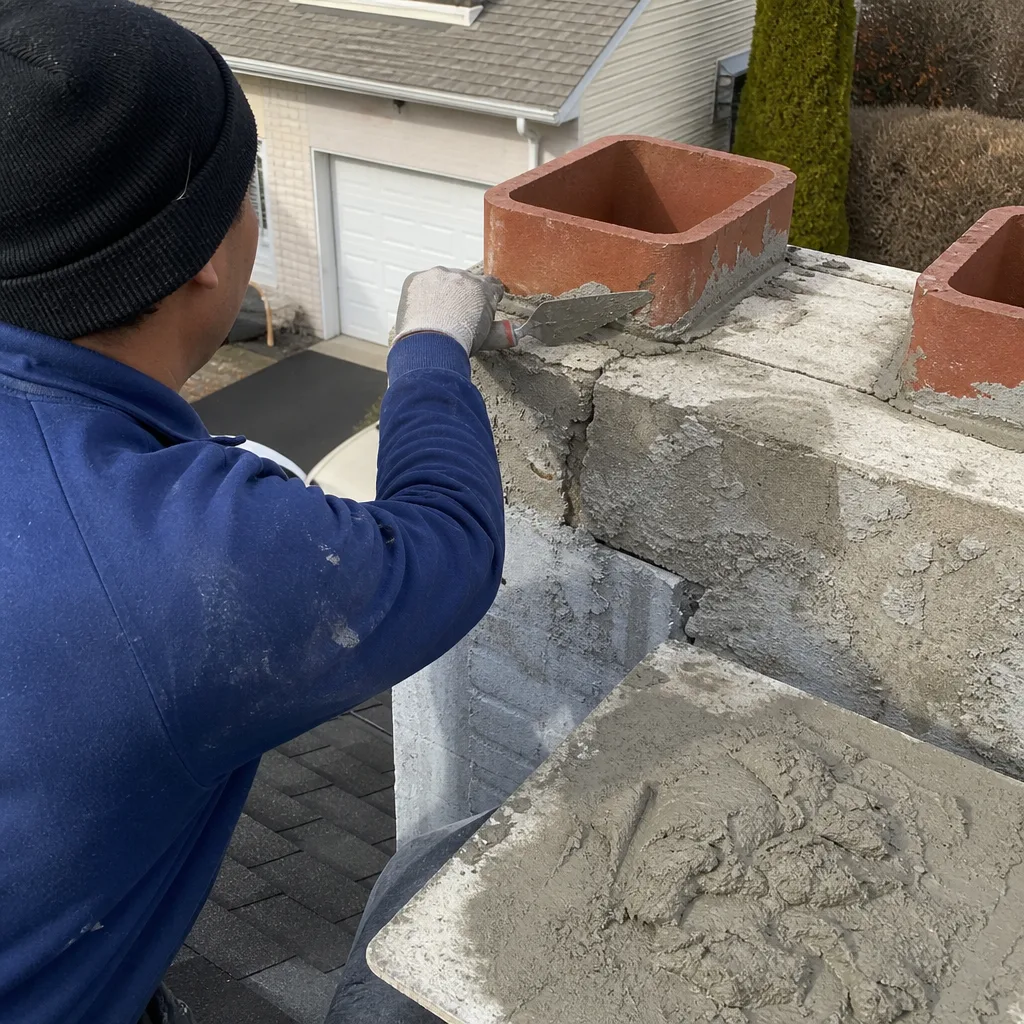
Wilmington’s chimney stock faces specific stressors: freeze-thaw cycling, acid rain deposition, and in some neighborhoods, soil settlement from historic fill. Exterior signs read differently here than in drier or more stable climates.
Spalling Patterns
Spalling is surface flaking or popping of brick faces, exposing the softer interior. It indicates moisture penetration followed by freeze expansion. The pattern matters: uniform spalling across multiple courses suggests systemic water intrusion, often from a failed crown or inadequate cap. Localized spalling at the chimney shoulder or below the roofline suggests flashing failure or ice dam backup.
Wilmington’s older soft brick spalls more readily than modern hard-fired units. In neighborhoods like Cool Spring and Hilltop, where 1920s construction predominates, we’ve documented spalling progression from minor flaking to full brick face loss in as little as five years when the moisture source isn’t addressed. The camera scan determines whether the interior flue shows corresponding moisture damage.
Lintel Rust Staining
Rust-colored stains below the chimney top or at fireplace opening lintels indicate corroding steel or iron components. At the top, it may be a rusting metal flue liner or animal guard. At the fireplace opening, it’s typically the steel lintel supporting the masonry above the firebox opening. Lintel corrosion expands the steel, cracking surrounding brick and potentially compromising structural support.
Rust staining is always schedule-soon, not document-and-monitor. The expansion mechanism accelerates damage once it begins.
Crown Cracking and Deterioration
Concrete crowns crack from thermal expansion, settlement, or inadequate reinforcement. In Wilmington, where summer sun heats chimney tops to 140°F+ and winter nights drop below freezing, thermal cycling is the primary driver. Hairline cracks can be sealed; wider cracks, spalling, or separation from the flue liner require reconstruction.
A proper crown slopes away from the flue, overhangs the masonry edge by at least 2 inches, and includes drip edges to direct water clear of the brick below. Many original crowns in Wilmington homes are simple mortar wash - essentially a thick coating that cracks and erodes within a decade. Replacement with reinforced concrete, properly bonded and cured, typically provides 20+ year service life.
Flashing Gaps and Deterioration
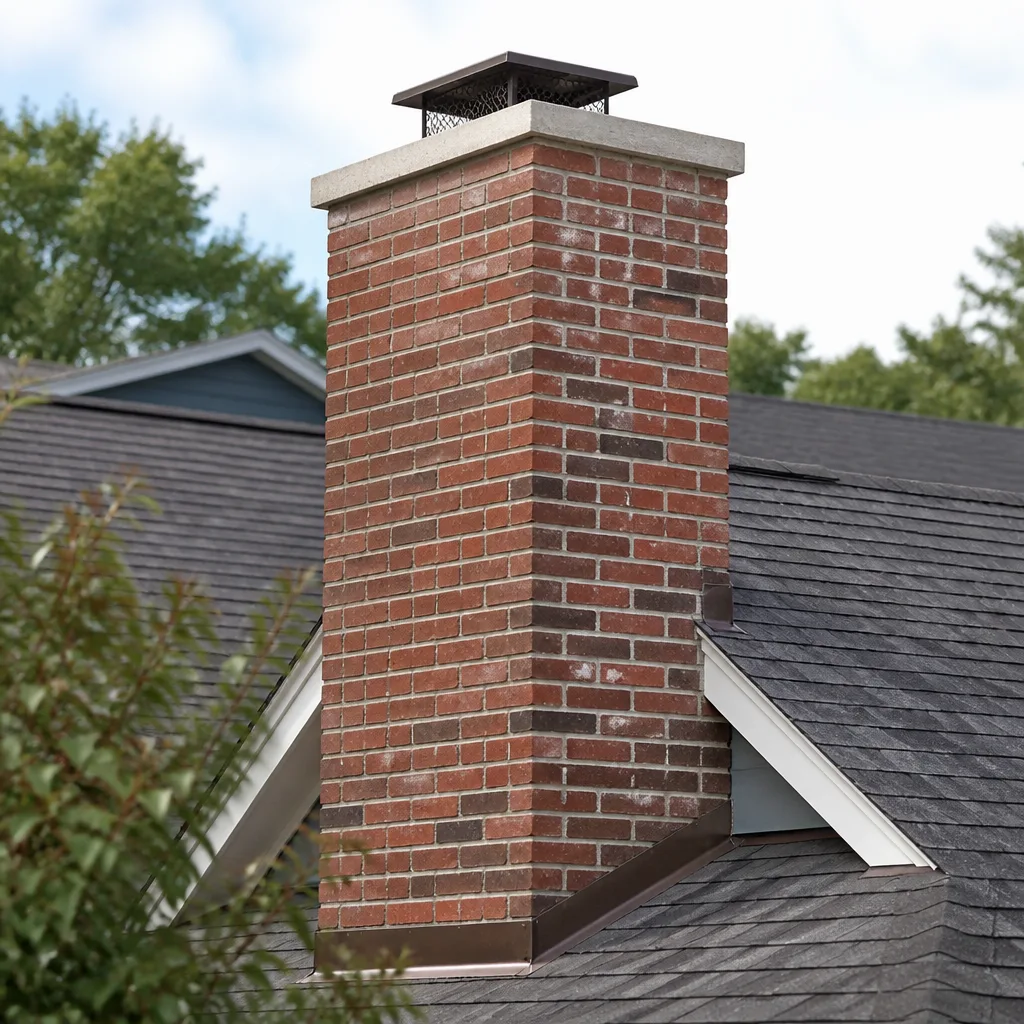
Step flashing where the chimney penetrates the roof is a common leak point. Dried sealant, lifted flashing tabs, or corrosion at the counter-flashing joint allow direct water entry. In Wilmington, where wind-driven rain from northeasters is common, flashing integrity is critical. The leak path often runs down the chimney interior, appearing as stains on the firebox wall or ceiling drywall adjacent to the chimney.
Smoke Backdraft: Blockage vs. Design Flaw
Smoke entering the living space during fireplace use is alarming and often misdiagnosed. The cause determines the fix, and the camera scan is what separates actual blockage from design or pressure problems.
Actual Blockage
Physical obstructions include bird nests, squirrel caches, collapsed liner sections, or severe creosote buildup reducing flue area below functional minimums. These are found and documented by camera inspection. Removal restores function.
In Wilmington’s mature tree canopy - particularly the oak and maple stands in neighborhoods like Wawaset Park and Woodlawn - animal nesting is seasonal and predictable. We find active nests most commonly in chimneys without proper caps, or with damaged screening. A properly sized cap from Famco or Gelco prevents recurrence.
Oversized Flue
A flue significantly larger than the appliance outlet creates slow gas velocity, incomplete draft, and smoke spillage at startup. This is a design flaw, not a maintenance issue. The NFPA 211 sizing tables specify minimum flue dimensions based on fireplace opening area and chimney height. An oversized flue cannot be “swept” into compliance.
Correction requires reducing effective flue area with a listed liner system or insert, or in some cases, modifying the fireplace opening. The camera scan measures actual flue dimensions and identifies any existing liner, informing the sizing calculation.
House Depressurization
Modern tight construction with powerful exhaust fans, range hoods, and clothes dryers can depressurize the house sufficiently to overcome natural chimney draft. The fireplace spills smoke not because the chimney is blocked, but because the house is sucking air down it. This is increasingly common in Wilmington’s newer construction and renovated historic properties with upgraded mechanical systems.
The diagnostic protocol: measure house pressure relative to outdoors with all exhaust devices operating. If depressurization exceeds 5 Pascals, the chimney cannot overcome it reliably. Solutions include makeup air systems, dedicated combustion air ducts, or top-sealing dampers with sealed fireplace doors.
Cold Flue Syndrome
An exterior chimney on a cold day contains dense, stagnant air that resists initial draft. The first smoke from a cold start doesn’t rise, instead spilling into the room until the flue warms. This is normal physics, not defect. The proper response is pre-warming: a rolled newspaper torch held at the damper for 60 seconds before lighting the main fire, or installing a top-sealing damper that keeps the flue air closer to indoor temperature.
Wilmington’s colonial-era and early-20th-century homes often have exterior chimneys on north or east exposures, where cold flue syndrome is most pronounced. The camera scan confirms flue condition; the fix is operational technique or damper upgrade, not sweeping.
How to Photograph and Document a Warning Sign Before Calling
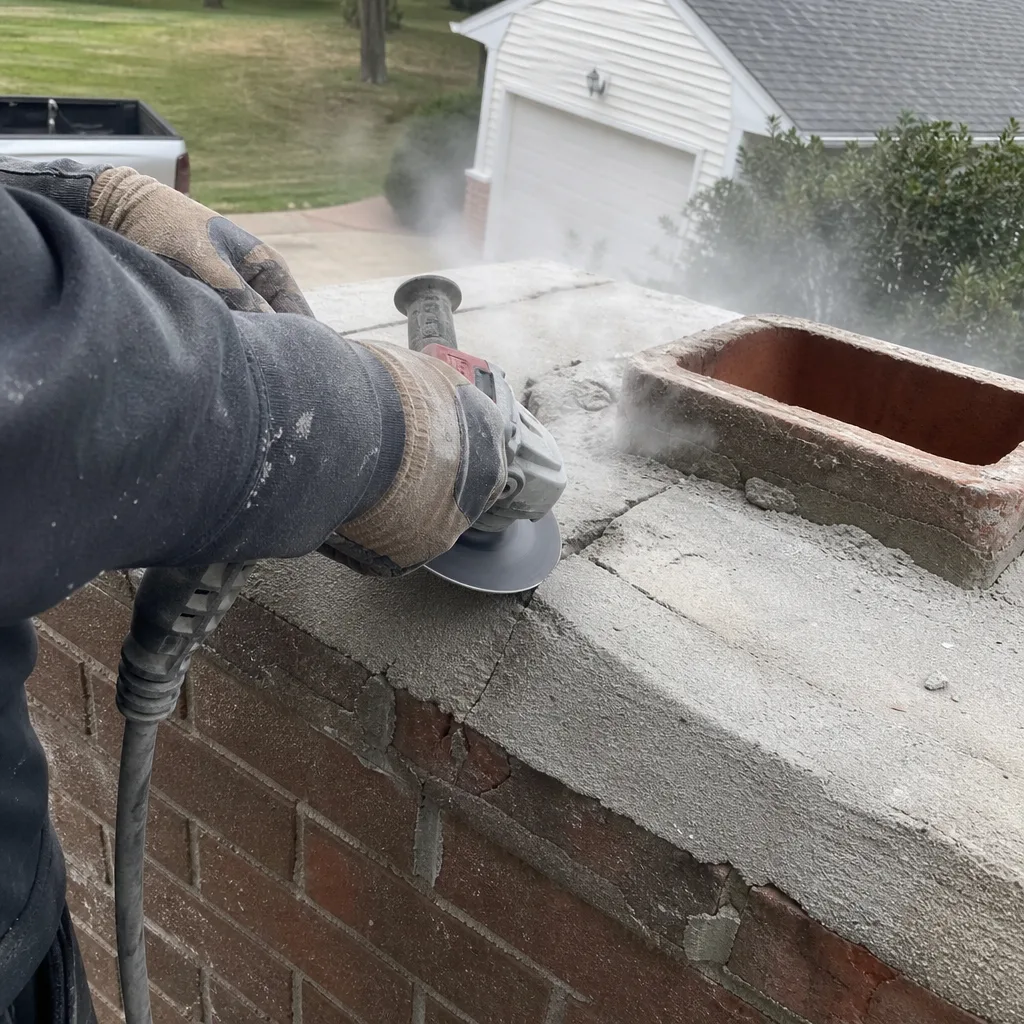
If a warning sign leads to insurance involvement - chimney fire damage, storm-related masonry failure, or moisture damage claims - your documentation determines whether the claim proceeds. Contractors’ reports are useful, but contemporaneous homeowner records carry independent weight.
- Photograph the overall context. Stand back far enough to show the chimney’s position on the structure, surrounding roof area, and any relevant environmental conditions. Include a timestamp. This establishes that the condition existed at a specific date, before any contractor altered the scene.
- Capture close detail with scale reference. Include a coin, ruler, or known-size object in the frame for crack width, stain size, or material loss. “Significant crack” is subjective; “crack visible with 3.2mm gap” is evidence.
- Photograph from multiple angles. A crown crack looks different from directly below versus from the roof edge. Lintel rust staining shows its full extent only with raking light. Take 5-10 images, not one.
- Note conditions at time of observation. Record: date, time, weather (temperature, precipitation, wind), whether the fireplace was in use or recently used, any unusual events (storm, nearby construction, appliance service). These contextual factors often explain conditions that would otherwise seem mysterious.
- Preserve the image file with original metadata. Screenshots and compressed social-media uploads strip EXIF data that verifies capture time and device. Keep original files in cloud storage with date-stamped filenames.
- Record your own observations before calling. What did you smell, hear, or see? When did it start? Has it changed? Your notes, made before a contractor frames the narrative, preserve your independent recollection.
When you call Chimney Repair in Wilmington, share these images and notes. We incorporate client documentation into our own record and reference it in our written scope. If insurance review follows, your contemporaneous documentation and our dated, photographed inspection report create a coherent evidence chain.
Clause 4 of the Haven Standard requires our photo record on every job. Combined with yours, the documentation is thorough enough for any subsequent review.
Common Mistakes to Avoid
- Assuming all stains indicate immediate danger. Efflorescence and soot staining have vastly different implications. Misclassification leads to unnecessary emergency fees or dangerous delay.
- Using the fireplace “just once more” after observing a stop-use sign. The fire that completes a liner failure or triggers a chimney fire is always the one you thought would be fine. The cost of one cold evening is trivial against the cost of a house fire.
- Accepting a flashlight inspection as adequate. A flashlight look from the firebox opening reveals perhaps 15% of flue condition. NFPA 211 Level 2 camera inspection is the actual standard; anything less is guesswork that puts you at risk.
- Ignoring seasonal odor changes. A smell that appears only in summer often indicates draft reversal from pressure dynamics, not creosote hazard. But it may also indicate an animal nest or moisture problem that winter use would exacerbate. Camera inspection resolves the ambiguity.
- Delaying crown repair until “next year.” In Wilmington’s climate, a cracked crown in October faces 4-5 months of freeze-thaw cycling. The repair cost typically doubles if water reaches the liner and smoke chamber.
- DIY creosote removal with improper tools. Class III glazed creosote requires rotary mechanical equipment and respiratory protection. Wire brushing from below dislodges material into the living space and often damages the liner. This is not a homeowner maintenance task.
- Failing to verify contractor documentation practices. If the sweep doesn’t offer dated, photographed inspection records as standard, you’re paying for opinion, not evidence. Ask specifically: “Will I receive photos of my flue condition?” If the answer is hesitant, call someone else.
When to Call a Professional
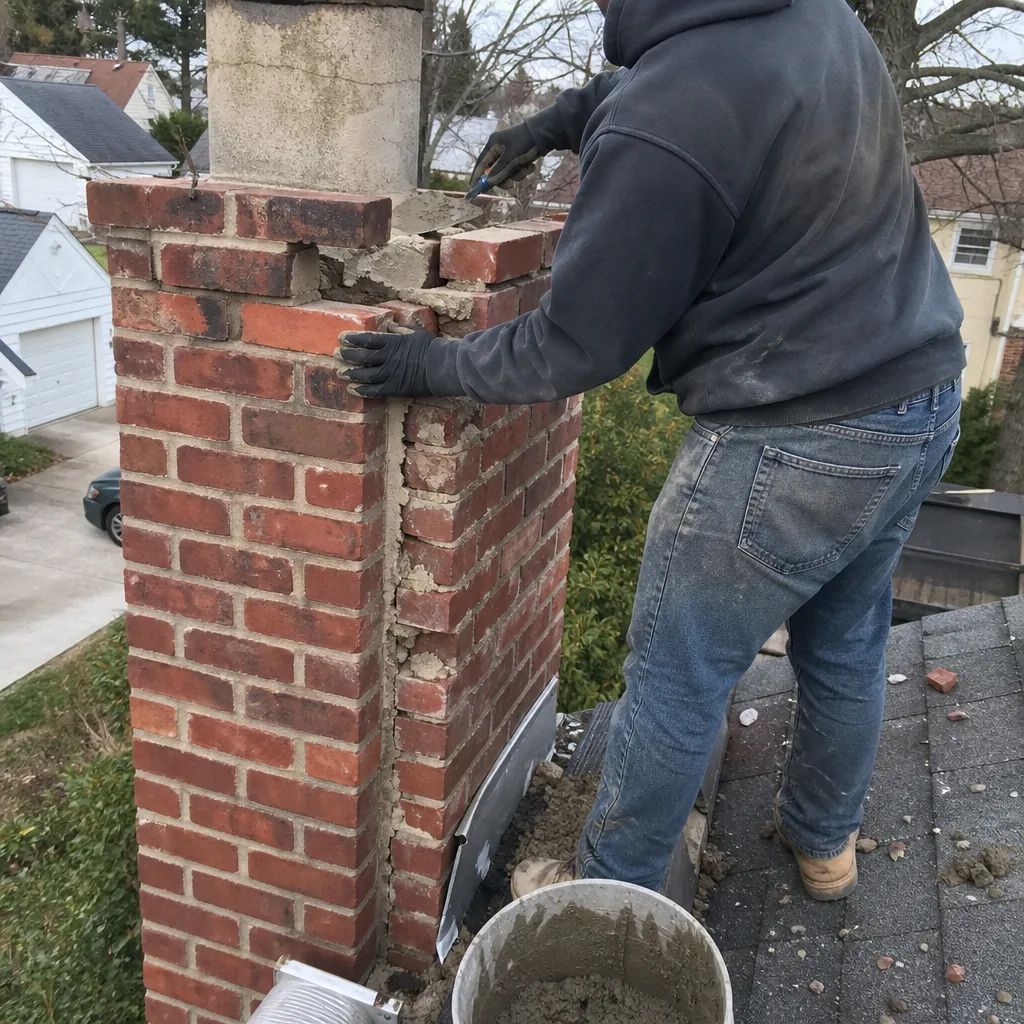
Call for immediate inspection if you observe active smoke leakage, carbon monoxide alarm activation, visible flame outside the flue, or structural damage with fire in progress. For Class III creosote, damaged liners, crown cracks with water intrusion, or persistent unexplained odors, schedule within two weeks. Document stable conditions like minor efflorescence or mortar erosion, and address at your next planned service.
Emberly Chimney Cleaners Wilmington offers free estimates in Wilmington - call (610) 546-5053. Every estimate includes a written scope, written price, and written warranty before any work begins, backed by the 365-Day Done Right Promise. Camera-scan inspection and documented photo records are standard on every visit, as required by Clause 4 of the Haven Standard since 2009. Free Second Opinion available on any competitor’s written estimate.
Frequently Asked Questions
A standard chimney sweep and NFPA 211 Level 2 inspection in Wilmington typically ranges from $250 to $450, depending on flue accessibility, appliance type, and whether mechanical creosote removal is required. We deliver a written price before any work starts - no exceptions, no surprises. Call (610) 546-5053 for an exact quote; estimates are free.
You need liner replacement if the camera scan shows cracks, gaps, or deterioration that compromise containment of combustion products, or if your appliance type requires a listed liner system not currently present. We don’t recommend liner work without camera evidence you can see. Many “liner replacement” recommendations from flashlight inspections are unnecessary; the camera scan separates actual need from sales pressure. If another contractor recommended replacement, bring us their written quote for a Free Second Opinion.
The NFPA 211 standard calls for annual inspection, with cleaning as needed based on creosote accumulation. In practice, Wilmington homeowners who use their fireplace as primary heat through winter typically need annual sweeping; occasional users may extend to every two years if the annual inspection shows minimal buildup. Wood species burned matters - softwoods and unseasoned wood accelerate deposits. The inspection, not the calendar, should drive the schedule.
Skipped maintenance leads to progressive creosote accumulation, increasing chimney fire risk; moisture intrusion accelerating masonry and liner deterioration; and undetected damage that becomes more expensive to repair. A $300 sweep skipped for three years often becomes a $2,500 liner replacement or $8,000+ masonry rebuild. The camera record from regular inspections documents condition over time, making gradual deterioration visible before it becomes catastrophic.
Summer chimney odors usually indicate draft reversal - warm, humid outdoor air sinking down the flue and pushing creosote odors into the house - or moisture reactivating deposits. It’s rarely a fire hazard, but it may indicate a missing or damaged top damper, excessive creosote buildup, or house pressure issues worth addressing. A camera scan identifies which cause applies to your system.
A flashlight inspection from the firebox reveals only the bottom portion of the flue and misses the critical upper third where most damage occurs. It cannot assess creosote class, liner joint condition, or crown interior. NFPA 211 Level 2 camera inspection is the actual professional standard for good reason. We’ve found collapsed liner sections and active chimney fire damage that flashlight inspections missed entirely.
The Bottom Line
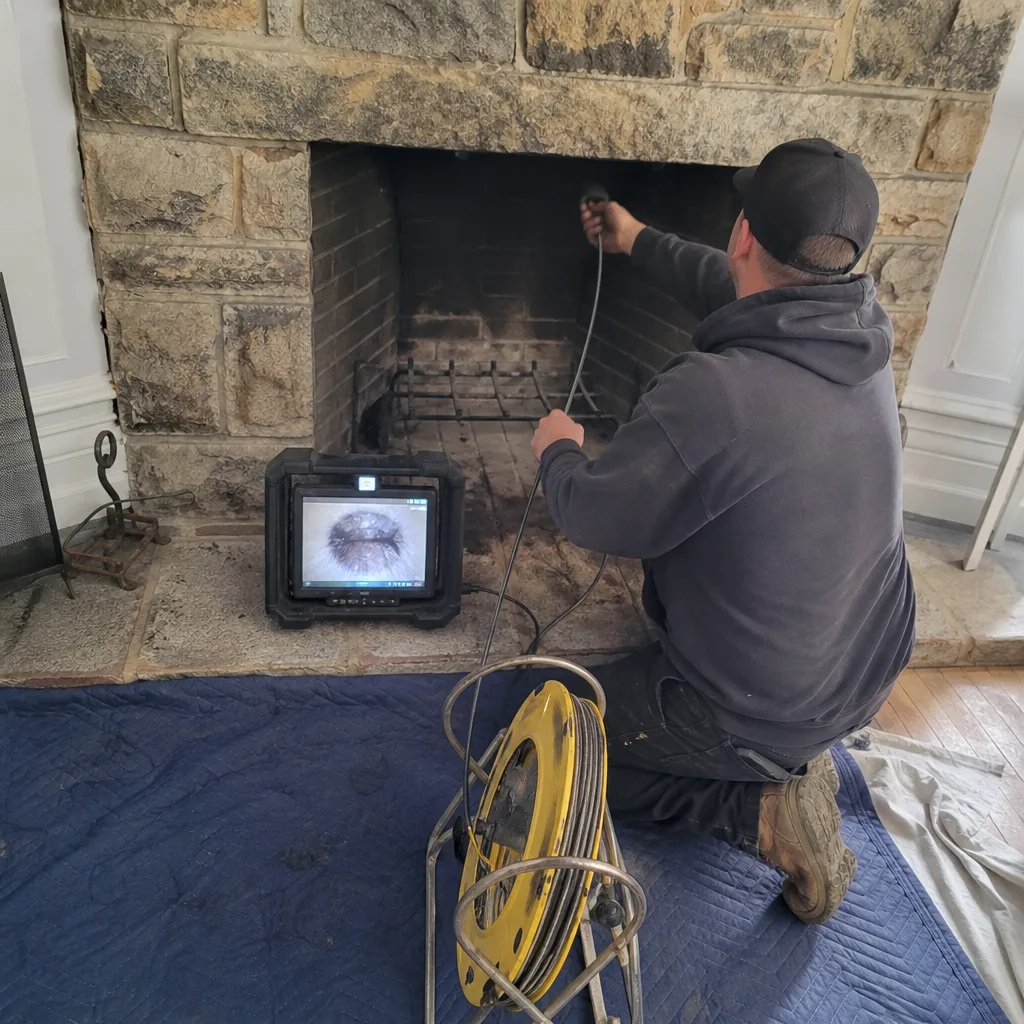
Chimney warning signs are not equally urgent, and treating them as if they were wastes money and creates dangerous complacency. The three-tier system - stop-use-immediately for active hazards, schedule-within-two-weeks for progressive damage, document-and-monitor for stable conditions - lets you respond appropriately without guessing. The specific odors, masonry patterns, and draft behaviors common in Wilmington’s housing stock have local explanations that generic guides miss. Most importantly, the camera scan transforms ambiguous symptoms into documented facts, making the inspection report the resolution rather than the start of a sales conversation. Get the evidence first. Then decide.
Written by Corrine Halstead, Owner at Emberly Chimney Cleaners Wilmington, serving Wilmington since 2009.